19 August 2026
AEPS Explained: How It Works At The Last Mile
How the Aadhaar Enabled Payment System (AEPS) works, who it serves, and why secure biometric devices matter.
19 August 2026
How the Aadhaar Enabled Payment System (AEPS) works, who it serves, and why secure biometric devices matter.


The Aadhaar Enabled Payment System (AEPS) has transformed how basic banking services reach millions of people across India. By allowing customers to perform transactions using their Aadhaar number and fingerprint, AEPS makes banking accessible even in areas where bank branches and ATMs are limited.
For many rural households, senior citizens, and beneficiaries of government welfare schemes, AEPS provides a simple way to withdraw cash, check account balances, and access essential banking services through a nearby Business Correspondent (BC) rather than travelling to a bank branch.
Understanding how AEPS works helps explain why secure biometric devices, reliable connectivity, and certified hardware play such an important role in last-mile banking.
The Aadhaar Enabled Payment System (AEPS) is a payment service developed by the National Payments Corporation of India (NPCI) that enables customers with an Aadhaar-linked bank account to perform basic banking transactions using biometric authentication.
Instead of relying on debit cards, PINs, or internet banking, AEPS verifies a customer's identity using their Aadhaar number and fingerprint before authorising a transaction.
The system supports several everyday banking services, including:
Because authentication is based on biometrics, customers do not need to carry cards or remember passwords, making AEPS particularly useful for people with limited access to digital banking services.
AEPS serves a wide range of customers, particularly those living in rural and semi-urban areas where access to traditional banking infrastructure may be limited.
Common users include:
Rather than visiting a bank branch, customers can access these services through authorised Business Correspondents operating within their local communities.
Although an AEPS transaction is completed within seconds, several systems work together behind the scenes to process it securely.
A typical transaction follows these steps:
1. The customer provides their Aadhaar number and selects the required banking service.
2. The Business Correspondent enters the transaction details into an AEPS-enabled device.
3. The customer places their finger on the biometric scanner.
4. The device securely captures and encrypts the fingerprint.
5. The customer's biometric identity is verified against the secure UIDAI database.
6. Once authentication succeeds, the transaction request is routed through the NPCI network to the customer's bank.
7. The bank authorises the transaction and sends a confirmation.
8. The Business Correspondent completes the transaction, and the customer receives confirmation.
Under normal network conditions, the entire process typically takes less than 30 seconds.
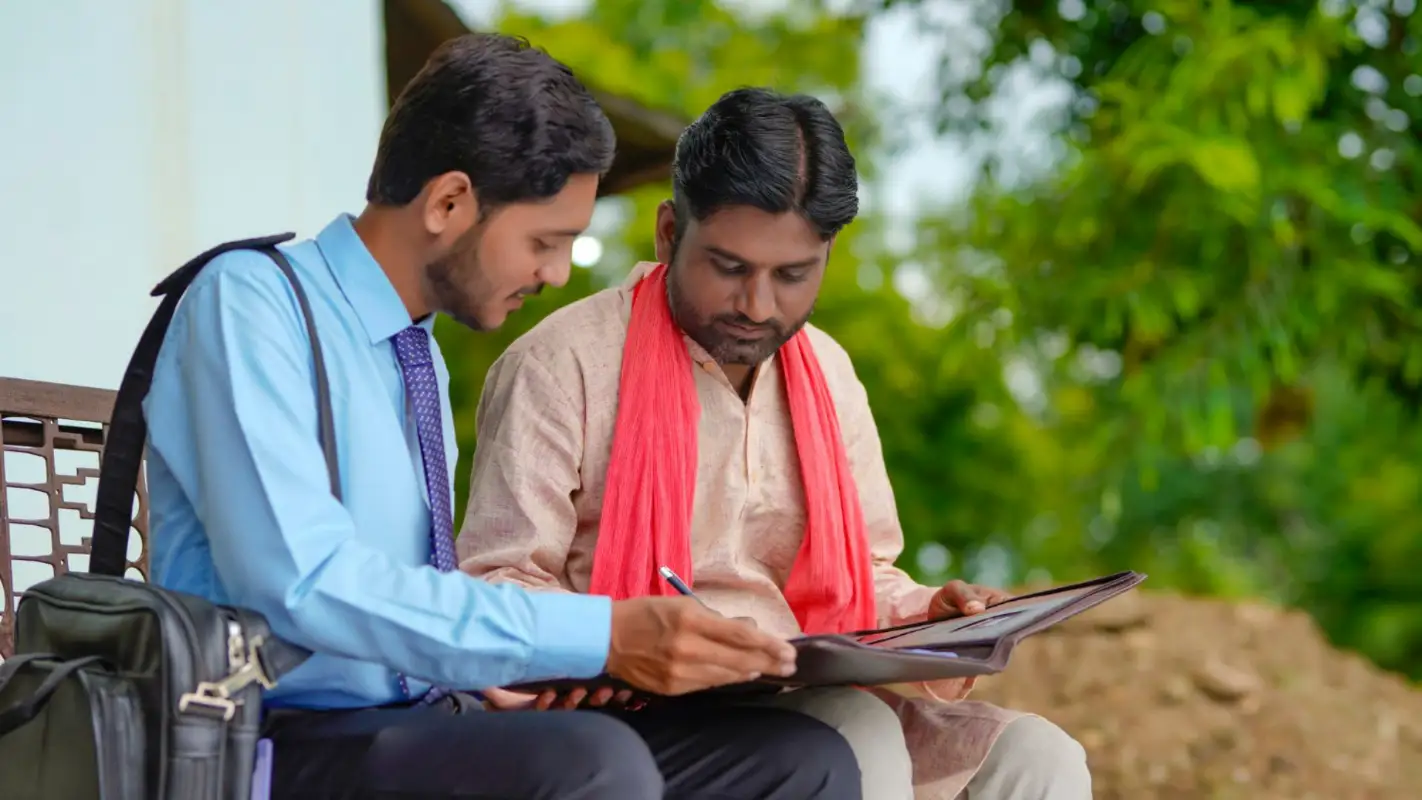
Business Correspondents (BCs) are the backbone of the AEPS ecosystem. Appointed by banks and financial institutions, they provide basic banking services in locations where physical branches may not be practical.
A BC may operate from:
Using a certified biometric POS device, BCs enable customers to access essential banking services close to home, improving financial inclusion while reducing the need to travel long distances.
Security is fundamental to every AEPS transaction. Since the system relies on biometric authentication, the devices used must comply with strict security requirements established by the Unique Identification Authority of India (UIDAI).
Every AEPS device must be UIDAI L1-certified, ensuring that biometric data is encrypted within the hardware before it leaves the device.
This approach offers several important benefits:
For organisations deploying AEPS services, choosing certified hardware is essential for maintaining compliance as well as the security and reliability of the entire banking process.
While AEPS has significantly expanded access to banking services, operating in remote environments presents several practical challenges such as:
Many customers work in agriculture, construction, or other manual occupations that can affect fingerprint quality over time. Devices with poor biometric sensors may struggle to authenticate worn fingerprints, resulting in failed transactions and longer waiting times.
AEPS transactions require communication with UIDAI authentication servers and banking networks. In rural areas where mobile connectivity can be inconsistent, reliable communication becomes critical for successful transaction processing.
Business Correspondents often complete dozens of transactions every day. Devices must be durable, responsive, and capable of operating throughout the working day without frequent charging or technical issues.
A simple user interface helps agents process transactions quickly while reducing training requirements and minimising operational errors.

When selecting hardware for AEPS deployments, organisations should evaluate more than just payment functionality.
Important considerations include:
Devices designed specifically for field banking environments help improve transaction success rates while making day-to-day operations easier for Business Correspondents.
AEPS has become one of India's most important financial inclusion initiatives by enabling secure banking services wherever customers need them. By combining Aadhaar-based authentication with a nationwide network of Business Correspondents, the system allows millions of people to access essential banking services without depending on traditional branch infrastructure.
Reliable, certified hardware plays a central role in making these services possible. From secure biometric authentication to dependable payment processing, the right device helps ensure transactions are completed quickly, securely, and consistently.
Access Computech's A20 FP is designed specifically for AEPS and assisted banking deployments, combining UIDAI L1-certified biometric authentication with secure payment processing in a single Android POS device. Built for field banking environments, it helps Business Correspondents deliver reliable banking services wherever they're needed.