28 October 2026
Choosing a Biometric OEM Partner in India
What system integrators and solution providers should evaluate when choosing a biometric hardware OEM, beyond the specification sheet.
28 October 2026
What system integrators and solution providers should evaluate when choosing a biometric hardware OEM, beyond the specification sheet.


For a system integrator building a biometric solution for a bank, government programme, enterprise, or cooperative institution, choosing the right hardware OEM is an important part of the project.
The device may be only one component of the final solution, but problems with certification, integration, availability, or field support can quickly become the integrator's problem once the system is deployed.
India has no shortage of biometric hardware suppliers. The more important question is how to distinguish an OEM that can reliably support a long-term deployment from one that simply looks competitive on a product specification sheet.
Here are the areas worth evaluating.
The first question should not simply be "Are your devices certified?" It should be "Which certifications do you hold, for which applications, and are they current?"
Different deployments have different certification requirements. Depending on the application, an integrator may need UIDAI L1 certification for Aadhaar authentication, MOSIP certification for identity deployments, or relevant payment certifications for financial applications.
Certification also needs to be maintained as standards and requirements change. An OEM with experience across multiple certification frameworks can reduce the compliance and procurement burden for the integrator.
Access Computech's portfolio includes biometric and payment devices covering UIDAI L1, FIDO2, MOSIP, and relevant payment certifications across different applications.
An OEM that supports only one application can become a limitation when a client's requirements expand.
For integrators, a broader portfolio can mean sourcing fingerprint authentication devices, security biokeys, biometric-payment terminals, attendance systems and access-control hardware, and payment devices from the same OEM rather than managing several hardware relationships.
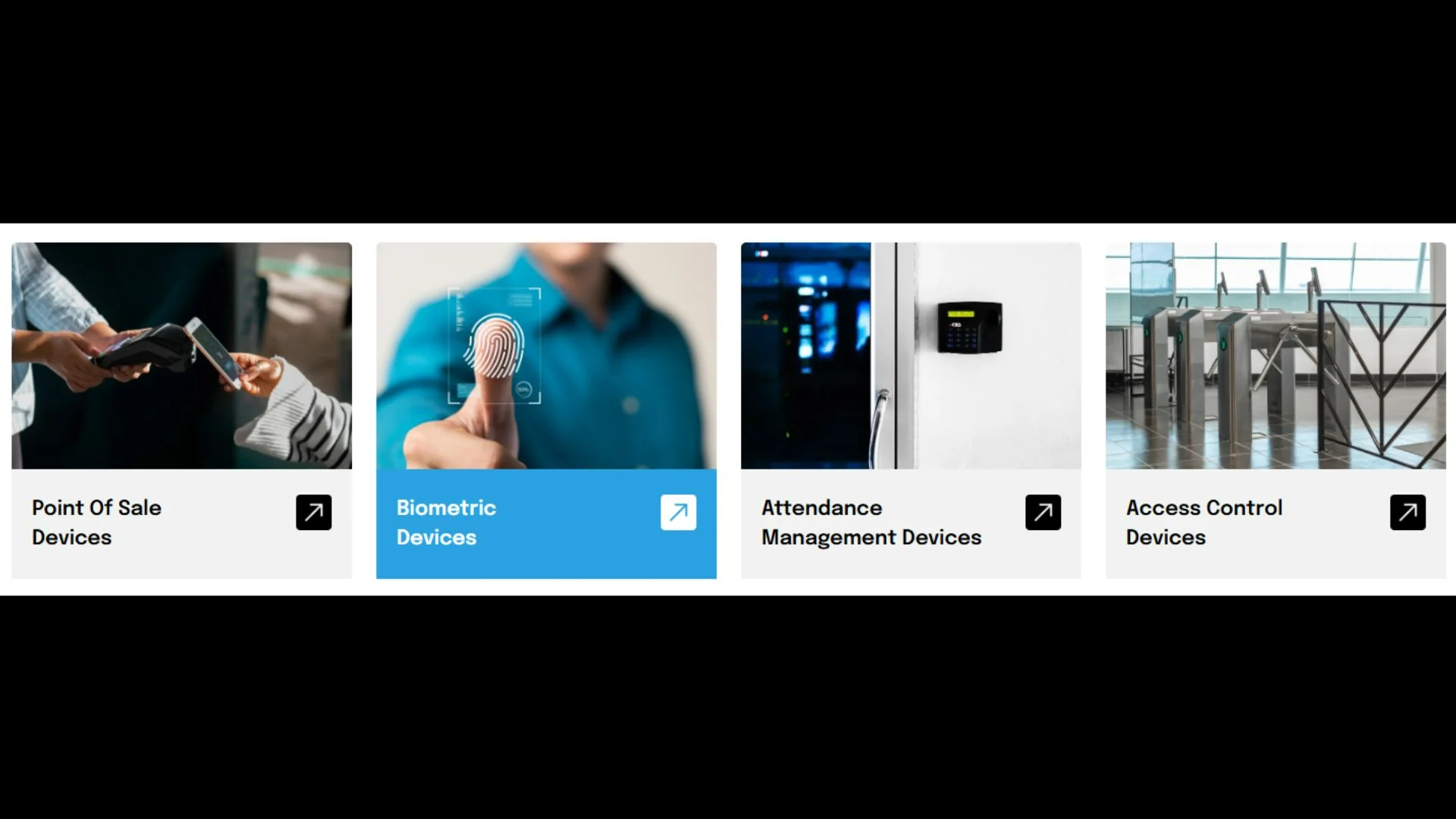
This can simplify procurement, integration, support, and future expansion.
It also gives integrators more flexibility when designing solutions. Instead of starting a new hardware evaluation every time a client adds another requirement, they can work with an OEM whose portfolio already covers multiple use cases.
Laboratory specifications tell only part of the story.
Indian biometric deployments can involve rural banking points, government offices, examination centres, factories, outdoor access points, and other environments where conditions are very different from a controlled test environment.
Fingerprint quality can vary considerably between users, particularly among people whose work involves manual labour. Connectivity can also be inconsistent in field banking environments, while lighting and environmental conditions can affect other biometric technologies.
The useful question is therefore "How does the device perform in the conditions where my client's solution will actually operate?"
Access Computech has more than 3.5 million device installations across India, covering applications including government enrolment, examination, banking, and cooperative banking deployments. An established installed base can provide an OEM with practical experience that is difficult to obtain from laboratory testing alone.
For Aadhaar-based biometric solutions, the hardware is only one part of the technology stack.
The Registered Device (RD) Service sits between the biometric device and UIDAI's authentication infrastructure and needs to remain maintained and compatible with applicable specifications.
Integrators should therefore understand:
This is particularly important when an integrator is deploying devices at scale. A hardware vendor that provides little support beyond the physical device can leave the integrator responsible for resolving problems that originate elsewhere in the stack.
The stronger OEM relationship is one where hardware, software support, certification updates, and integration assistance are treated as part of the same infrastructure.
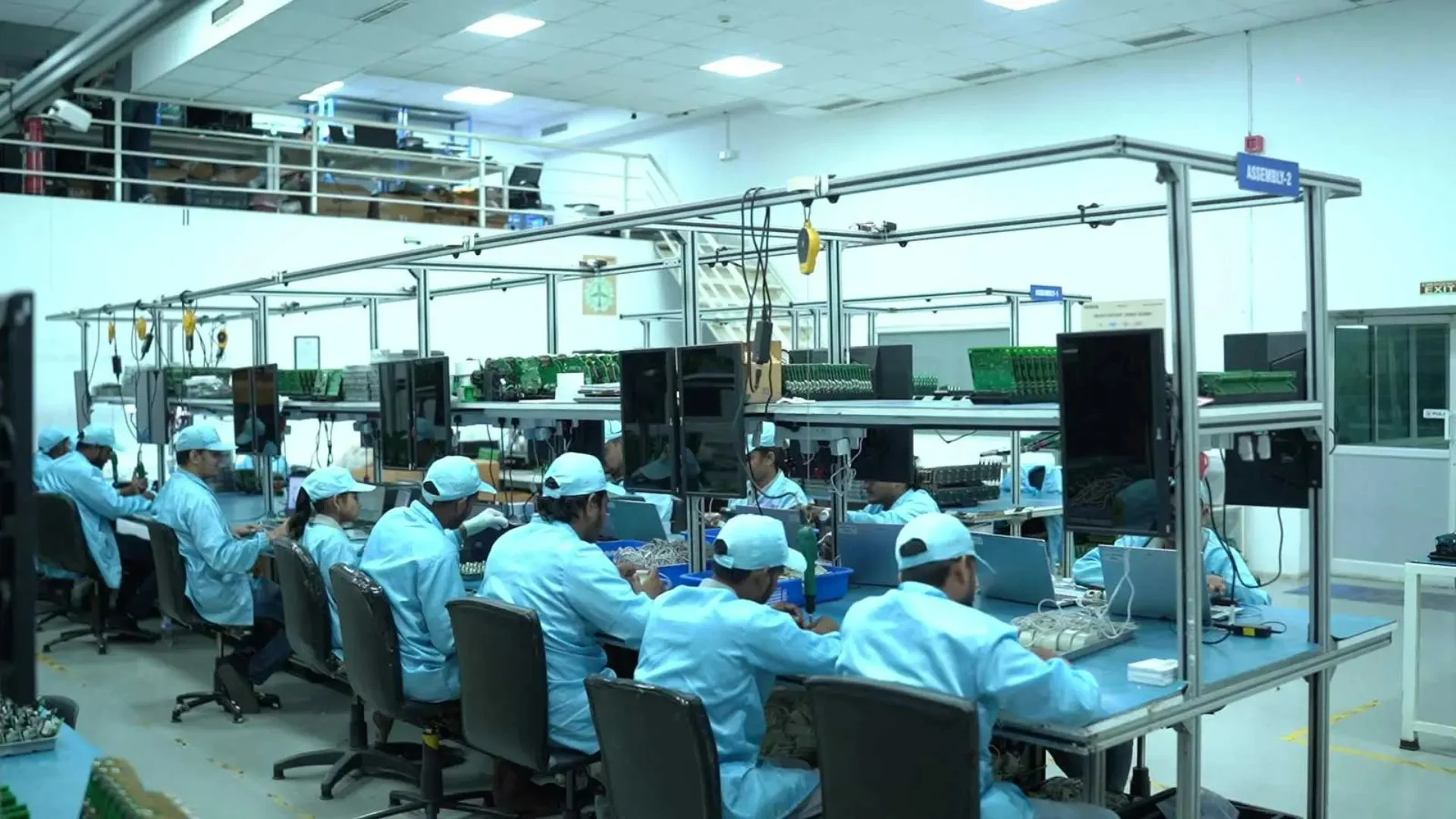
For a project involving hundreds or thousands of devices, product availability becomes a project requirement.
An OEM that cannot maintain consistent supply or predictable lead times can create delays for the integrator, even when the underlying solution is ready to deploy.
Integrators should therefore evaluate:
For government programmes and other procurements where domestic manufacturing is relevant, Made-in-India production can also be an important consideration.
Access Computech manufactures its devices in India, providing domestic production and supply-chain capabilities for integrators managing Indian deployments.
Once devices are deployed, support becomes just as important as the initial purchase.
A failed biometric device at a government service point, examination centre, or banking location can interrupt the service the integrator is responsible for delivering.
The OEM's support infrastructure should therefore match the geography and scale of the deployment.
Before choosing a partner, ask about:
A vendor with strong support in major cities but limited coverage elsewhere may create problems when a deployment extends into Tier 2, Tier 3, or rural locations.
A good technology partner can support an integrator during the wider project lifecycle, from pre-sales and technical evaluation through integration, deployment, certification updates, and ongoing support.
That can include helping with tender requirements, providing technical documentation, sharing experience from similar deployments, and communicating product or certification changes that could affect existing projects.
For an integrator, this kind of relationship can be particularly valuable when the same hardware needs to support multiple clients or deployments over several years.
Before finalising a biometric hardware partner, it is worth asking a few straightforward questions:
Ask for the relevant certification details rather than relying on general claims.
Look for experience in environments similar to your client's.
Understand what the OEM provides beyond the physical device.
Confirm manufacturing capacity, lead times, and replacement availability.
Look at service coverage, response times, and replacement processes.
A long-term partner should have a process for certification, firmware, and product updates.
For a system integrator, the biometric device is only one part of the solution being delivered to the client. The OEM behind that device can influence everything from procurement and integration to deployment reliability and after-sales support.
That is why the specification sheet should be the starting point, not the final decision.
Certification depth, portfolio breadth, field experience, software support, manufacturing capacity, service coverage, and the quality of the OEM relationship all deserve consideration before a hardware partner is selected.
Access Computech works with system integrators and solution providers across biometric authentication, identity, payments, attendance, and access-control applications.
If you're evaluating an OEM partner for an upcoming deployment, get in touch with the Access Computech team to discuss your requirements.