26 August 2026
Why Indian Campuses Still Run On Paper Tickets
Parking lots, canteens, and gated campuses across India still rely on manual ticketing, and what's pushing institutions to finally change that.
26 August 2026
Parking lots, canteens, and gated campuses across India still rely on manual ticketing, and what's pushing institutions to finally change that.


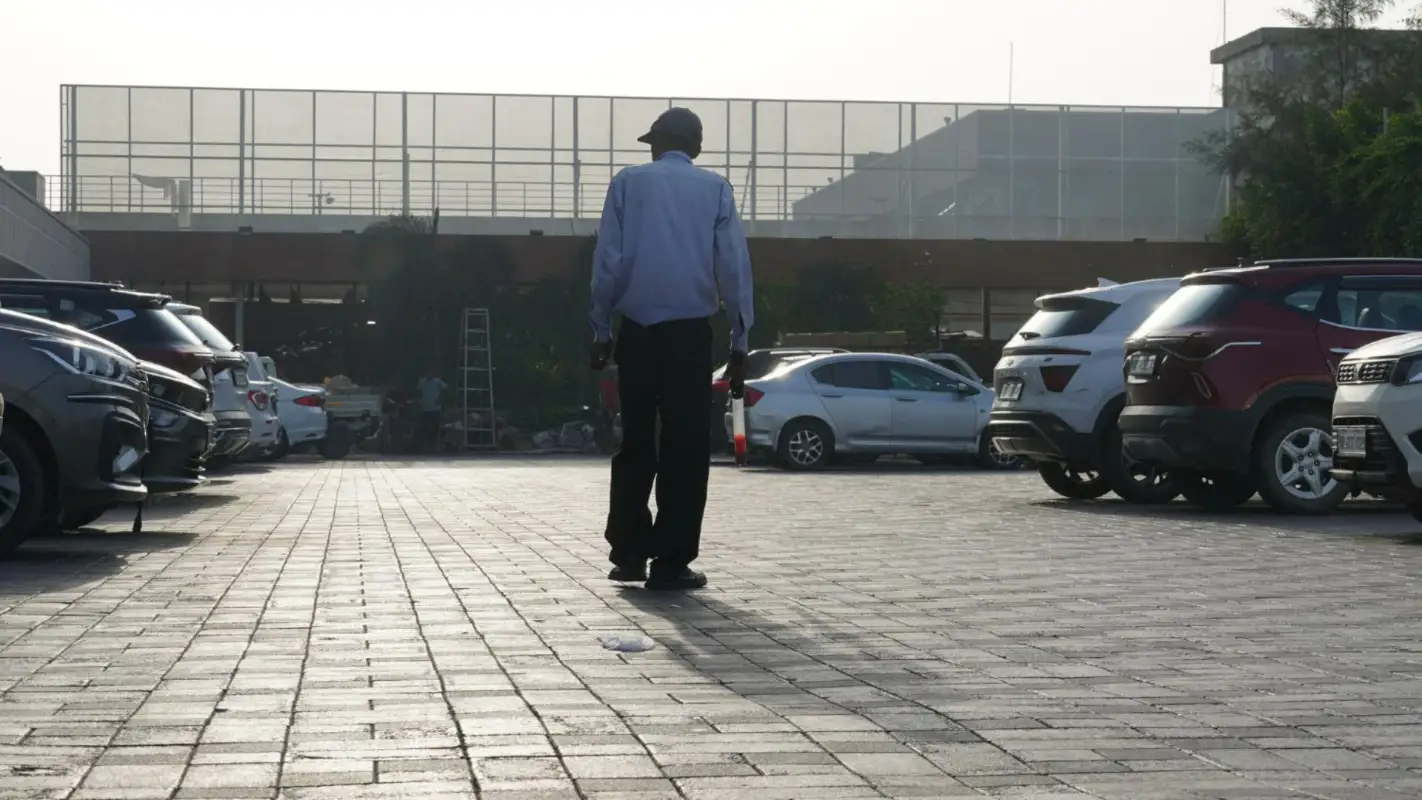
Across India, thousands of daily transactions take place at parking facilities, college campuses, corporate offices, residential communities, and event venues. Whether it's collecting parking fees, managing canteen payments, or controlling entry at gated premises, many organisations still depend on paper tickets, handwritten registers, and manual cash collection.
These methods have been used for decades because they are familiar, inexpensive to set up, and relatively easy to operate. However, as transaction volumes grow and digital payments become the norm, manual ticketing is proving increasingly difficult to manage. Institutions are under greater pressure to improve operational efficiency, reduce revenue leakage, and maintain accurate records, making digital ticketing a practical investment rather than a technological luxury.
Despite advances in payment technology and automation, many organisations continue to rely on manual ticketing because the process appears to work well enough.
A parking attendant issues a paper ticket and collects the fee. A canteen operator accepts payment and records sales manually. Security personnel maintain visitor registers before allowing access to a facility. Since these activities happen every day without major disruption, there is often little urgency to replace existing processes.
For smaller facilities with limited daily transactions, this approach may be adequate. However, as operations expand across multiple gates, parking areas, cafeterias, or campuses, manual systems become increasingly difficult to monitor and control.
While manual ticketing may appear straightforward, it creates operational challenges that often go unnoticed until they begin affecting revenue or administration.
Cash collections can be difficult to reconcile accurately, particularly when multiple operators or collection points are involved. Without an automated transaction record, it becomes harder to verify whether collections match the number of vehicles processed, meals served, or tickets issued.
Managing concessions, subscriptions, or discounted fares also becomes more complicated when records are maintained manually. Errors, inconsistent pricing, and duplicate entries are more likely, while auditing historical transactions can become a time-consuming exercise.
Reporting presents another challenge. Institutions often need information such as daily collections, visitor numbers, operator performance, or usage trends. With paper-based systems, generating these insights usually involves manual compilation rather than accessing accurate, real-time reports.
Although each issue may seem minor in isolation, the cumulative impact can result in higher administrative effort, reduced operational visibility, and avoidable revenue leakage.
Several developments have made digital ticketing systems more accessible and practical than they were just a few years ago.
Digital payments have become an everyday expectation. Whether paying for parking, purchasing meals in a canteen, or buying event tickets, users increasingly prefer UPI, QR codes, cards, or prepaid accounts instead of cash.
At the same time, hardware such as POS terminals, QR code scanners, biometric devices, and smart access controllers have become more affordable and easier to integrate with ticketing software. Organisations no longer need expensive, specialised infrastructure to automate ticketing and access management.
Connectivity has also improved significantly. Modern ticketing platforms can continue operating even when internet connectivity is temporarily unavailable, automatically synchronising data once the connection is restored. This makes them suitable for parking basements, remote campus entrances, and other locations where network coverage may be inconsistent.
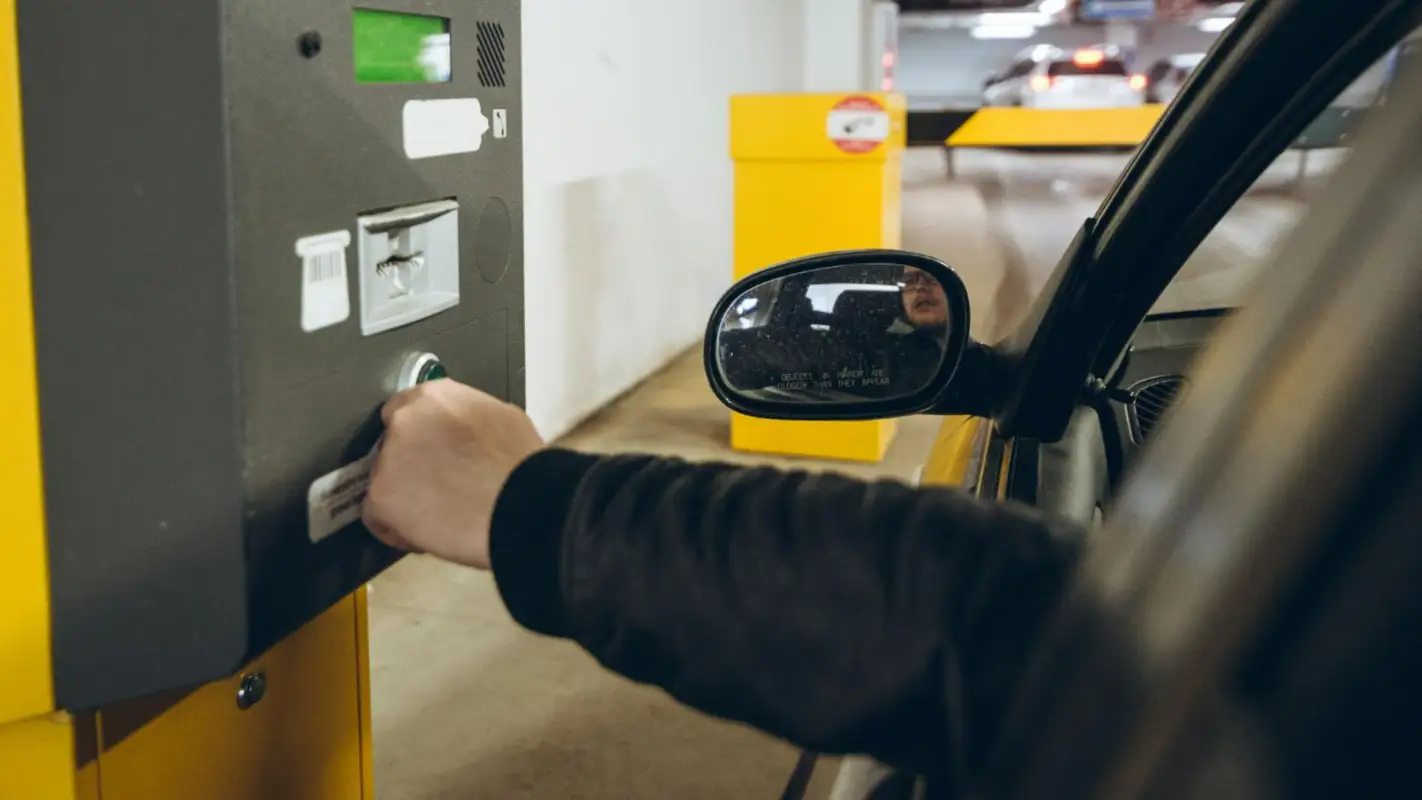
Replacing paper tickets with digital records does more than eliminate manual paperwork. It creates a connected system where every transaction is recorded automatically, providing greater visibility and control over daily operations.
Fare structures based on time, distance, zones, or predefined pricing slabs can be configured within the system, ensuring consistent fee collection without relying on manual calculations. Discounts, subscriptions, and prepaid passes can also be managed centrally, reducing administrative effort while improving accuracy.
Automated reporting simplifies reconciliation by generating shift-wise settlements, collection summaries, and operator performance reports directly from transaction data. Instead of manually matching registers with cash collections, administrators have immediate access to reliable operational information.
Digital records also provide a clear audit trail, making it easier to demonstrate accountability during internal reviews, financial audits, or regulatory inspections.
Although automated ticketing is commonly associated with public transport, the same technology can improve operations across a wide range of environments.
Common applications include:
In each of these settings, the objective is the same: simplify fee collection, improve operational visibility, and reduce the manual effort required to manage daily transactions.
Look for a solution that offers:
Choosing a solution with these capabilities ensures that the system can continue supporting your operations as transaction volumes and organisational requirements grow.
Manual ticketing has supported Indian campuses and facilities for many years, but it is becoming increasingly difficult to meet the operational demands of modern organisations using paper-based processes alone. As digital payments become standard and institutions seek greater accountability, connected ticketing systems provide a more efficient and transparent way to manage collections, access, and reporting.
Whether you're managing a university campus, a corporate office, a residential community, a parking facility, or an event venue, investing in a digital ticketing system can help streamline operations while providing the visibility needed to make better business decisions.
Access Computech's Ticketing Solutions are designed to support these evolving requirements through secure, configurable, and integrated ticketing systems that simplify everyday operations while improving efficiency across your organisation.