16 April 2025
How India, China, and Indonesia Are Changing Digital Payments
The way people pay is changing fast. Governments are stepping in and shaping the future of digital payments.
16 April 2025
The way people pay is changing fast. Governments are stepping in and shaping the future of digital payments.


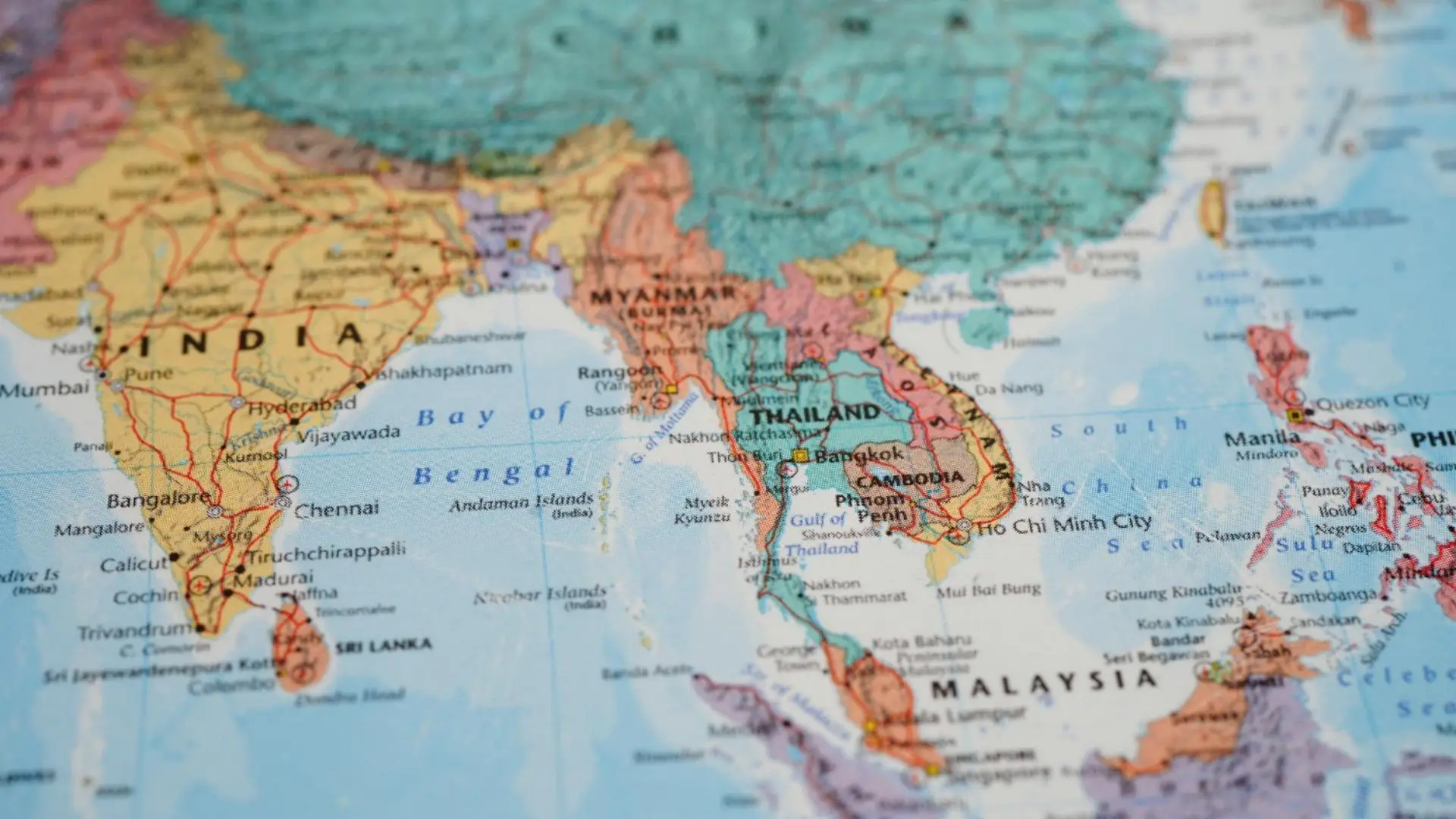
Three Asian countries are leading the charge in digital payment transformation, but they’re doing it in very different ways. While Indonesia is working on making digital payments easier and more local, India and China have already built a cashless economy infrastructure and China is now even pushing for tighter control over each payment.
India has emerged as one of the world’s fastest-growing digital payment economies, with UPI (Unified Payments Interface) leading the charge. Originally launched in 2016, UPI has grown to become the backbone of India’s cashless movement, now handling more than 80% of the country’s digital transactions. Whether you're a roadside vendor or a large enterprise, UPI makes it easy to send and receive money instantly. Alongside it, the BHIM app and a growing ecosystem of fintech solutions have brought digital payments to even the most remote corners of the country.
The Indian government has played a major role in this shift, promoting UPI adoption through incentives, mandates, and infrastructure support. Unlike systems that depend on international card networks, UPI allows direct bank-to-bank payments, cutting costs for both users and merchants. In recent years, transaction volumes have surged to over 17 billion per month, and experts predict this growth will continue as more people move away from cash. While privacy debates are still evolving, India’s focus so far has been on expanding access, reducing friction, and enabling digital financial inclusion on a massive scale.
Indonesia also wants to move towards a cashless economy, and one of its biggest steps is QRIS (Quick Response Code Indonesian Standard). This system allows businesses to accept payments from any bank or e-wallet using just one QR code. It makes things simpler for merchants because they don’t have to deal with multiple payment providers.
The Indonesian government requires that all QRIS payments be processed within the country. This helps keep money within Indonesia instead of relying on global networks like Visa or Mastercard. While this is good for the local economy, some businesses aren’t happy about the extra transaction fees or the pressure to go fully digital. Many small vendors still rely on cash, and forcing them to switch too quickly could cause problems.
China, on the other hand, has already moved beyond cash. If you live there, you probably use WeChat Pay or Alipay for everything—from buying groceries to paying rent. These platforms dominate the market, making it almost impossible to live without them.
Unlike Indonesia, which is making digital payments easier for businesses, China’s government is focused on control. Foreign companies like Visa and Mastercard have struggled to gain a foothold in China because the country wants to keep its payment system independent. Now, China is taking things even further with the digital yuan (e-CNY), a government-backed digital currency.
The digital yuan gives the Chinese government even more oversight. Unlike WeChat Pay or Alipay, which are run by private companies, e-CNY is issued directly by the central bank. This means the government can track transactions in real time. While this might help prevent fraud, it also raises concerns about financial privacy and government surveillance.
For businesses and POS providers, these changes have a huge impact. Payment systems need to keep up with these government-led shifts, or they’ll be left behind.
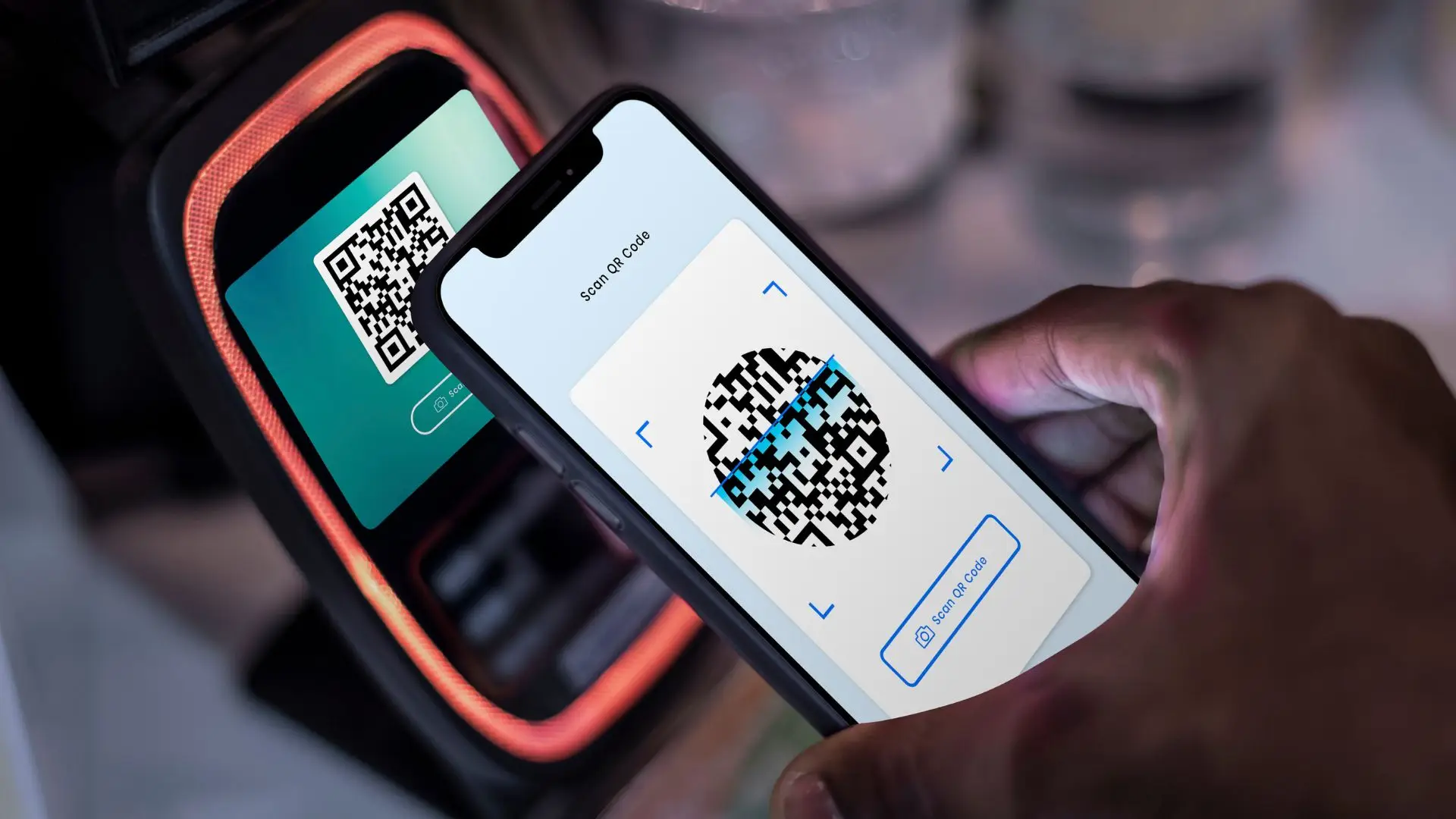
QR code payments are the future. If your POS system doesn’t support QR codes, you’re already behind.
At Access Computech, we build POS systems that keep up with changing payment trends. Our devices support QR code payments, digital wallets, and contactless transactions, so businesses can stay ahead instead of worrying about outdated tech. Whether you're operating in a cash-reliant market or a nearly cashless one, our POS solutions help you adapt.
Your business deserves a POS system that keeps up. Let’s build it together!