04 November 2026
Biometric Authentication in Fertiliser and Seed Distribution
How biometric devices support beneficiary verification, digital transactions and accountability in agricultural input distribution across India.

04 November 2026
How biometric devices support beneficiary verification, digital transactions and accountability in agricultural input distribution across India.


The distribution of subsidised fertilisers and agricultural inputs involves more than managing stock and processing sales. It also requires systems to identify beneficiaries, record transactions and maintain visibility across the distribution process.
In India, the Direct Benefit Transfer (DBT) system for fertilisers uses electronic Point of Sale (PoS) devices at retail outlets to record subsidised fertiliser sales. Buyers can be identified using Aadhaar, Kisan Credit Card (KCC) or Voter ID, with Aadhaar authentication forming an important part of the process.
For retailers and system integrators supporting these deployments, biometric devices play an important role in enabling fingerprint-based identity verification at the point of service.
Under the Aadhaar-enabled Fertiliser Distribution System (AeFDS), subsidised fertiliser sales are recorded through PoS devices installed at retail outlets. The system connects sales transactions with beneficiary identification and the wider fertiliser management infrastructure.
When a farmer purchases fertiliser, the retailer records the transaction through the POS system and verifies the buyer using an accepted identification method. Where Aadhaar biometric authentication is used, a fingerprint device captures the farmer's biometric information for authentication.
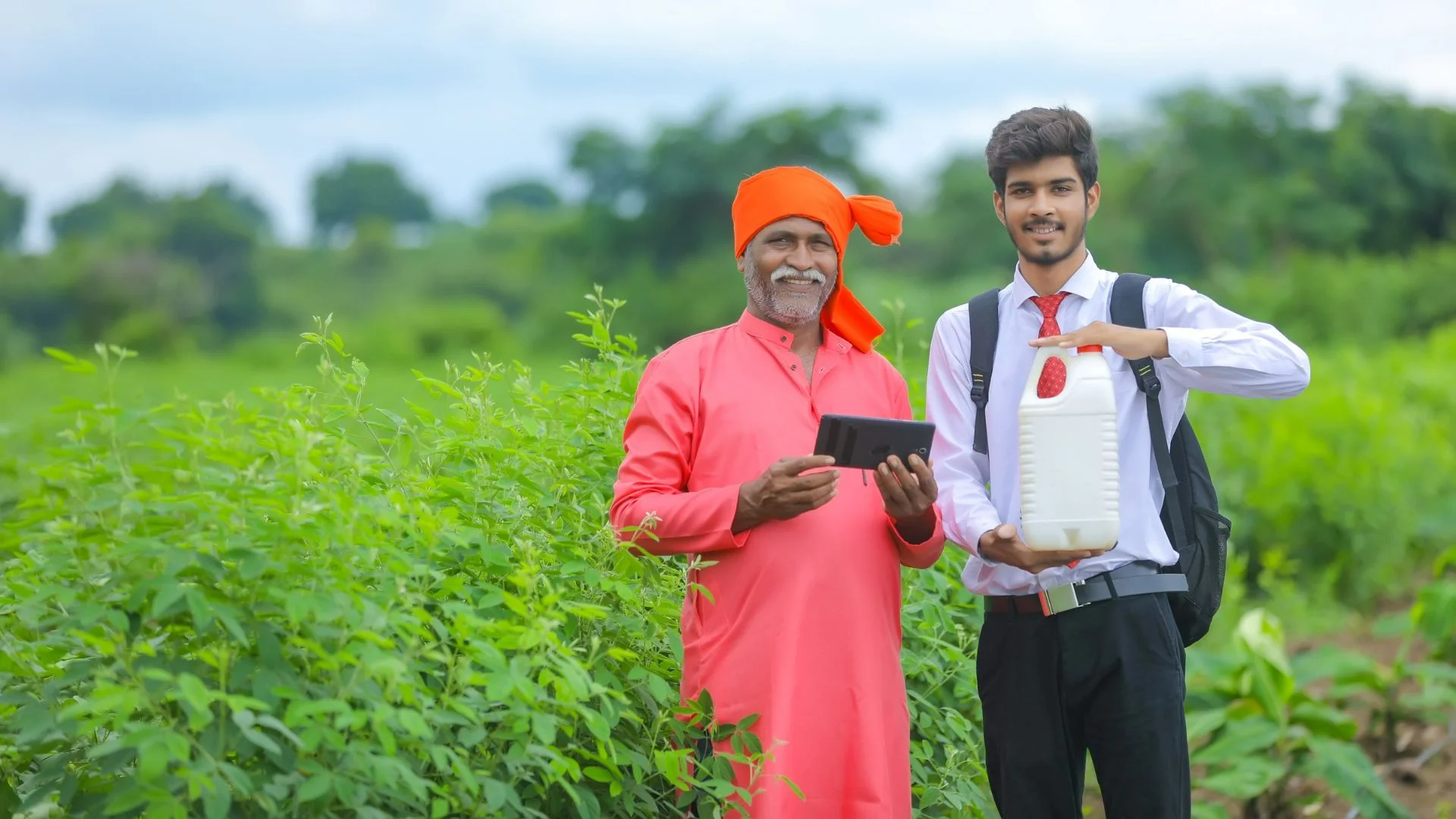
This process supports:
The Department of Fertilisers uses the Integrated Fertiliser Management System (iFMS) to monitor fertiliser movement and sales. The digital transaction records help improve transparency and provide visibility into the distribution network.
Biometric authentication at retail outlets depends on hardware that can work reliably with the connected PoS application and authentication infrastructure.
Device selection needs to account for the operating environment, connectivity, compatibility with the application and the volume of transactions handled at the retail point.
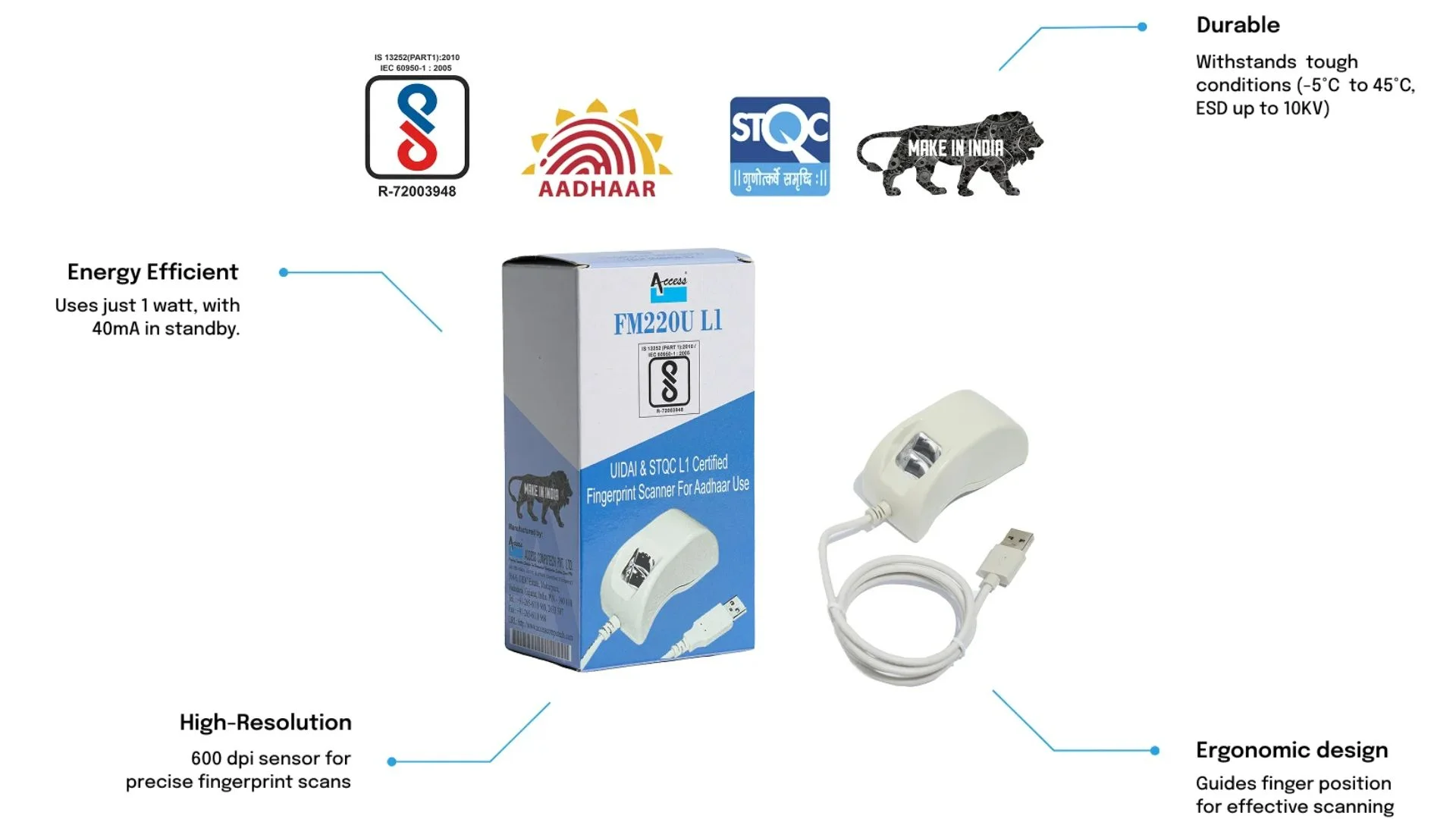
Access Computech offers three MOSIP-certified devices for biometric authentication and related applications: the FM220U L1, AST300 and A20FP.
The FM220U L1 is a compact fingerprint scanner designed for integration with compatible desktop and mobile applications. Its USB, Micro USB and Type-C connectivity options make it suitable for different deployment configurations.
It can support biometric authentication workflows in fertiliser distribution and other identity verification applications.
The AST300 is an L1 fingerprint device featuring a thermal sensor. It is designed for biometric authentication applications where fingerprint capture and liveness detection are important considerations.
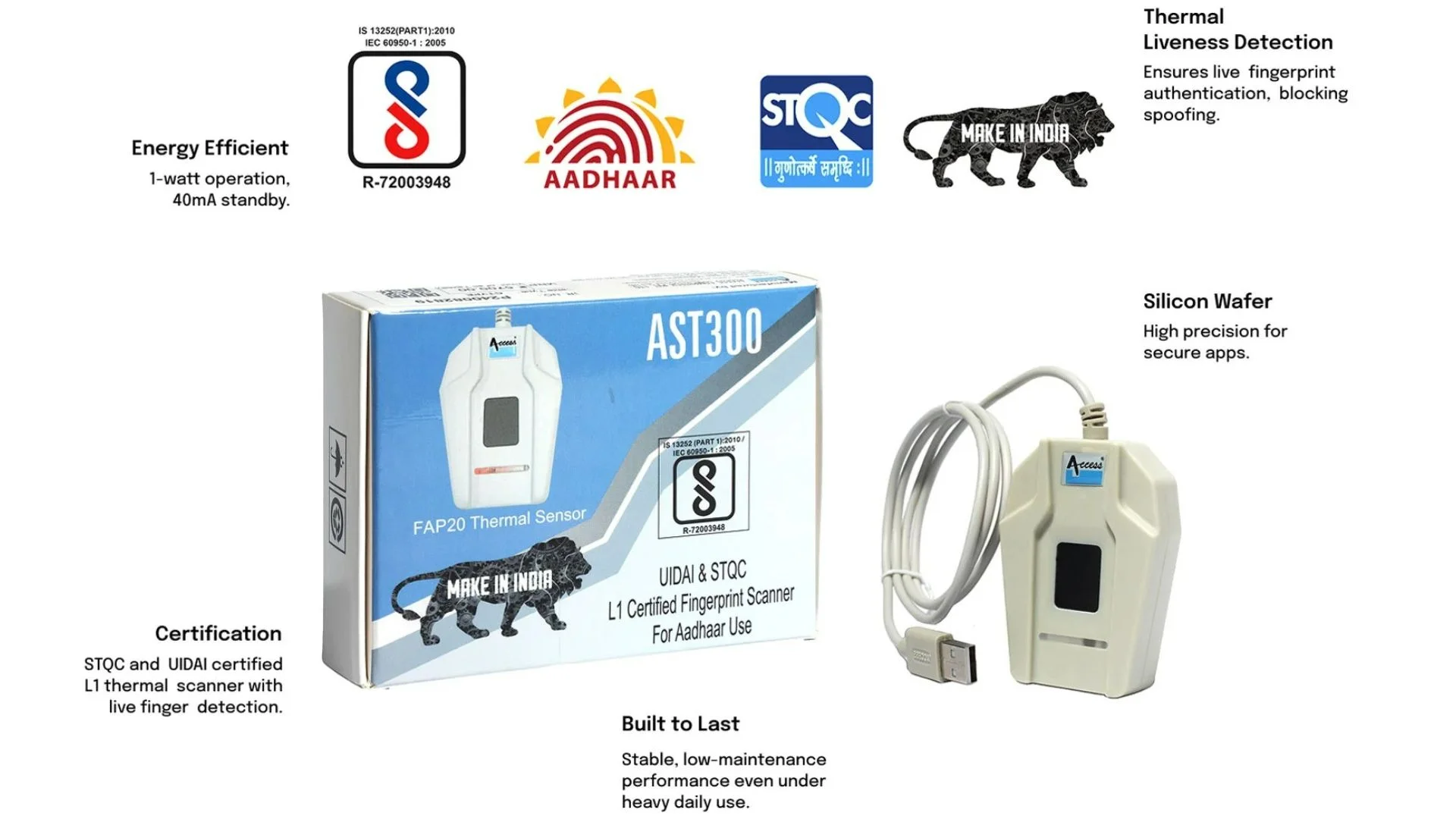
It can be integrated into compatible systems used for beneficiary verification and other government authentication workflows.
The A20FP combines an Android POS terminal with an integrated L1 fingerprint sensor and thermal printer. This makes it suitable for applications that require transaction processing, biometric authentication and receipt printing through a single device.
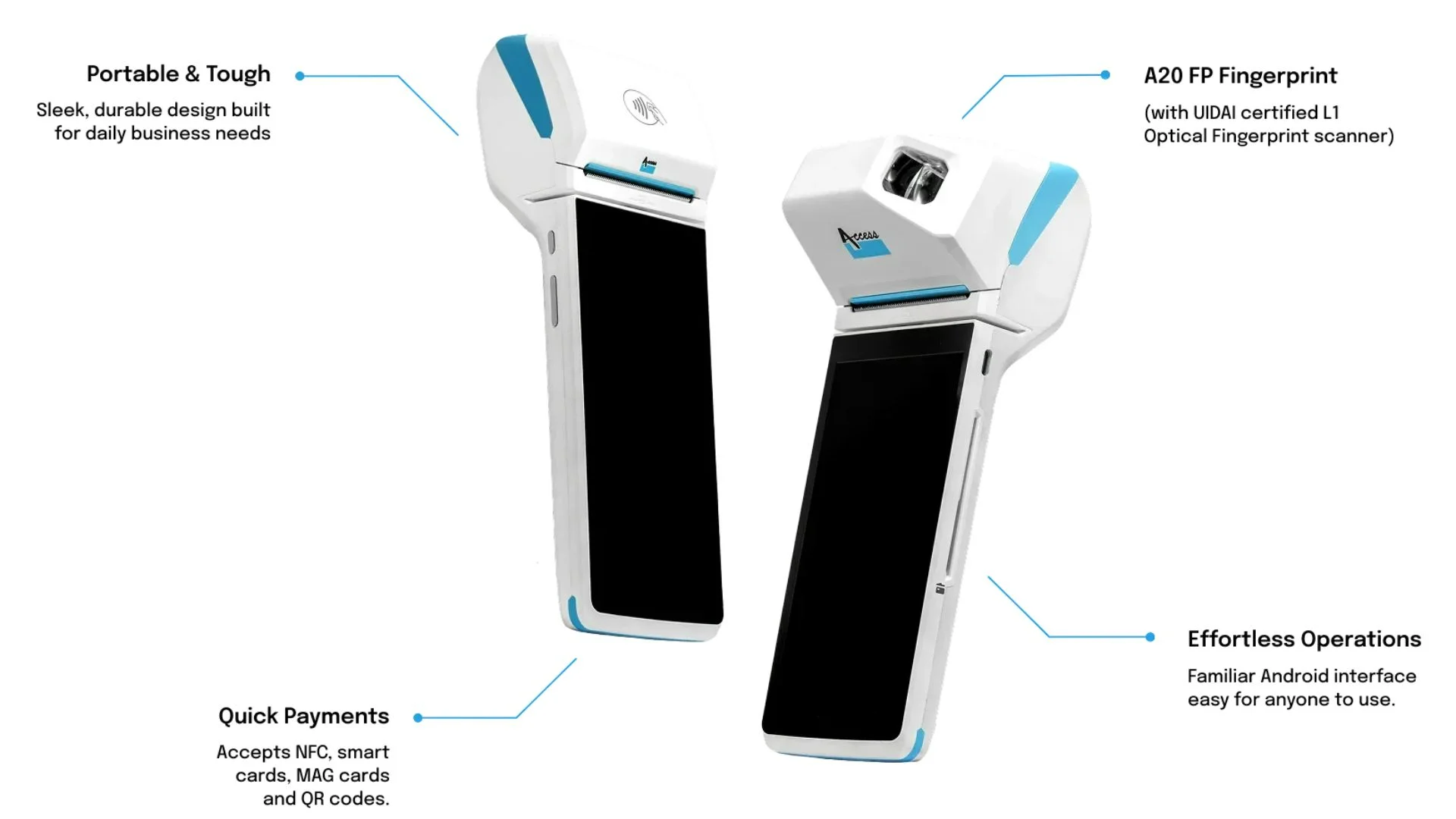
Its integrated format can support field-based distribution and assisted service delivery where compatible PoS applications are used.
Biometric authentication can also support identity verification in agricultural input distribution beyond fertilisers, including seed distribution programmes where beneficiary identification is part of the process.
For these applications, the hardware requirements depend on the programme's verification process and the software used by the implementing organisation. Fingerprint scanners can be integrated into compatible systems, while an Android POS device can bring authentication and transaction-related functions together.
The FM220U L1, AST300 and A20FP provide different hardware options for organisations and system integrators developing such applications. Their suitability depends on the specific programme requirements and device integration.
A biometric device for agricultural distribution needs to be selected with the actual deployment in mind. Retail outlets and field locations may have different requirements for portability, connectivity, transaction processing and system integration.
Organisations should consider:
Biometric authentication is one part of a wider digital distribution system. Its effectiveness depends on the right combination of certified hardware, compatible software, connectivity and implementation.
Access Computech's FM220U L1, AST300 and A20FP offer biometric hardware options for organisations and system integrators working across identity verification, government services and agricultural distribution applications.
To explore the devices and their specifications, visit Access Computech's biometric solutions portfolio.