15 January 2025
Why More People Are Saying Goodbye to Cash
Digital payments are becoming the go-to choice for millions. Is it just a trend or is the world finally ready to leave cash behind for good?
15 January 2025
Digital payments are becoming the go-to choice for millions. Is it just a trend or is the world finally ready to leave cash behind for good?


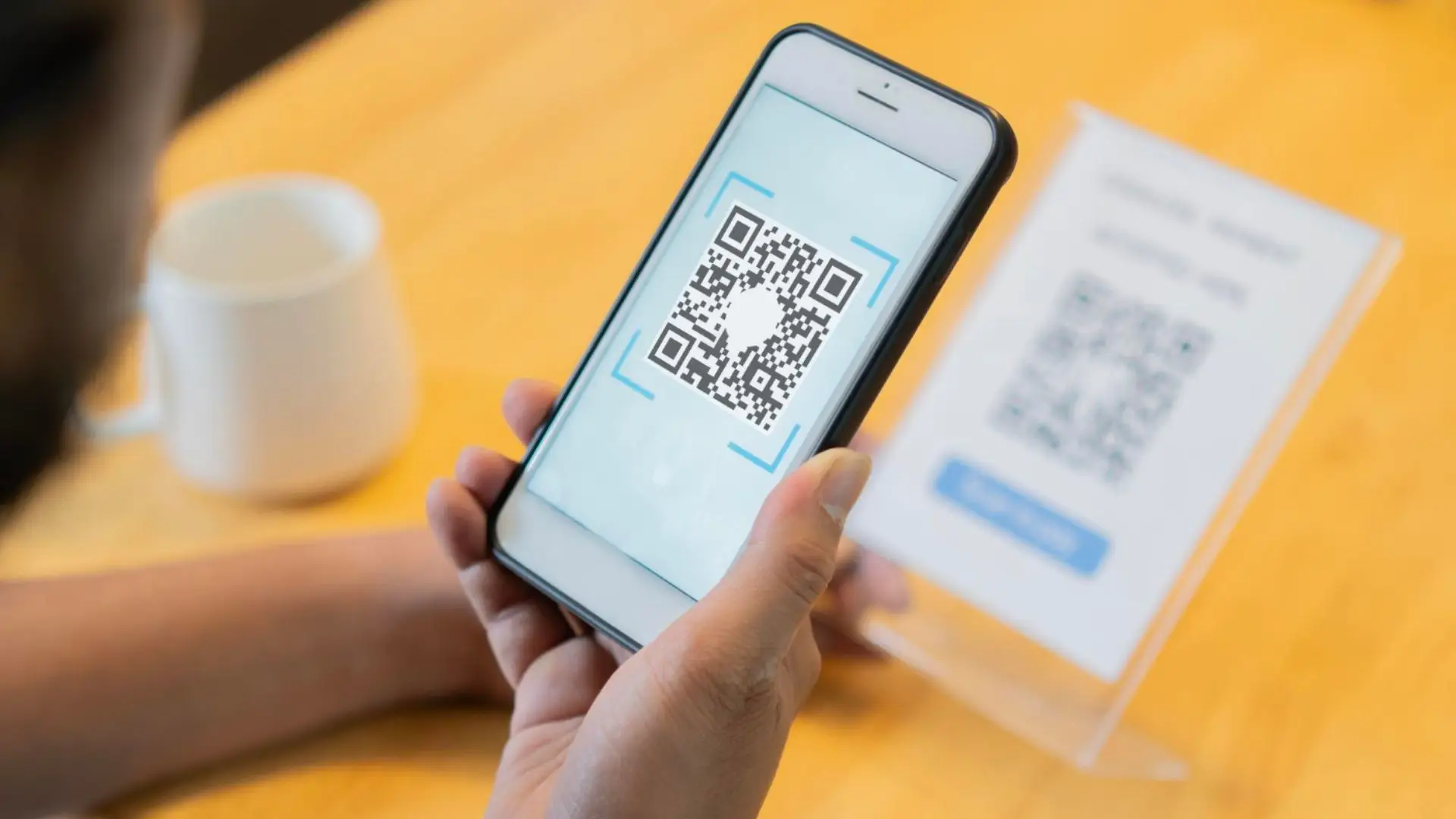
Think about the last time you made a payment. Was it with cash? A cheque? Or did you just tap your phone, card, or scan a QR code? Chances are, it was the latter. Digital payments have quietly taken over how we handle money, offering speed, convenience, and security in one neat package.
But is this just a phase, or is the world shifting away from cash for good?
Let’s look at why digital payments are transforming the way we pay!
Digital payments have made life easier in ways we now take for granted. Gone are the days of queuing at the bank, writing cheques, or scrambling for exact change at the shop. Today, you can pay bills, transfer money, or split costs with friends in just a few taps.
For businesses, digital payments mean faster transactions and less time spent handling and reconciling cash. Whether you’re running an online shop or a local café, digital payments make things easier not just for you but also for your customers.
When was the last time you hesitated to buy something because you couldn’t find cash? Now, with mobile wallets, contactless cards, and UPI systems, payments happen in seconds, and everyone walks away happier.
Sending money across borders has historically been slow and expensive. Digital payment platforms have stripped away those barriers, allowing money to travel across the globe almost instantly.
Businesses can now trade internationally with fewer complications, and families can support their loved ones abroad with just a few clicks. This isn’t just about convenience, it’s about creating a more interconnected world.
Consider the booming e-commerce industry. Many online businesses now cater to a global audience, and digital payments are the backbone that makes this possible.
When was the last time you worried about losing cash or dealing with fake notes? Digital payments address those concerns head-on.
Advanced encryption and security measures ensure that your money and data are protected. Two-factor authentication, biometric verification, and secure networks mean that the risks associated with physical cash are significantly reduced.
Additionally, digital payments leave a digital footprint. Every transaction is recorded, making it easier to track expenses, avoid disputes, and even simplify tax filings. Transparency is a huge bonus, whether for personal finance or business operations.
Sweden is already on track to becoming one of the first cashless nations, and many other countries are following suit. While we’re not entirely cashless in India, the adoption of digital payments has surged, especially with initiatives like UPI and mobile wallets.
Governments and financial institutions are encouraging this shift. Why? Because digital payments are efficient, reduce corruption, and make economic systems more transparent. Businesses benefit too—handling cash comes with risks and costs, but digital payments simplify things for both sides of the counter.
We don’t often think about the environmental impact of physical cash, but producing coins and notes requires significant resources, paper, water, energy, and even transportation for distribution.
Digital payments reduce this reliance. Every tap or scan means less need for cash circulation, and while digital infrastructure also consumes energy, its overall impact is far less resource-intensive. As sustainability becomes a priority for businesses and individuals, digital payments align with efforts to create a greener future.
One of the most significant impacts of digital payments is financial inclusion. In many rural or remote areas, traditional banking systems are either inaccessible or insufficient. Digital payments have changed that by putting financial services in the hands of anyone with a smartphone.
Farmers can now sell their produce and receive payments digitally. Small businesses in rural areas can transact with urban customers without needing a physical bank account. It’s not just about technology, it’s about giving more people the tools they need to thrive financially.
The COVID-19 pandemic reshaped many aspects of daily life, and payment habits were no exception. Cash felt unhygienic, and contactless payments became the go-to option almost overnight.
Even now, these habits persist. QR codes, tap-to-pay systems, and online payment platforms are part of everyday life, and there’s no sign of going back. What began as a safety measure has now become second nature for millions of people.

One of the most exciting aspects of digital payments is how quickly they’re evolving. From biometric payments using fingerprints or facial recognition to blockchain and cryptocurrencies, the future of payments is full of possibilities.
For businesses, this means staying ahead by adopting systems that not only meet today’s needs but also prepare for tomorrow.
Digital payments have changed how we handle money, and they’re not going anywhere. They make life easier, whether you’re shopping online, paying bills, or running a business.
As more people and businesses switch to digital, the systems will only get better, faster, safer, and more convenient. It’s not about keeping up with a trend anymore; it’s about embracing a way of life that’s here to stay.
At Access Computech, we’re here to make this shift as smooth as possible. Whether you’re just starting with digital payments or looking to upgrade your systems, we’ve got the tools to help you succeed.
The future is digital, and it’s already here. Why not make the most of it?