03 September 2025
Revolutionary Biometric Technologies Shaping 2025
This article is a comprehensive analysis which explores the latest biometric innovations in 2025 and their practical applications across various industries.
03 September 2025
This article is a comprehensive analysis which explores the latest biometric innovations in 2025 and their practical applications across various industries.


Biometric technology continues to transform how organisations authenticate users, do secure digital transactions and manage access control in 2025. This landscape has evolved dramatically in terms of simple fingerprint scanners to complicated multi-modal systems which integrate artificial intelligence, advanced sensor technologies and machine learning.
The biometric technology sector is going through an unprecedented expansion. Latest market analysis reveals that the global biometric technology market reached approximately $60 billion in 2025, with projections indicating growth to an astounding £307.24 billion by 2034, representing a compound annual growth rate of 19.89%. This remarkable trajectory underscores the critical role biometric authentication plays in our increasingly digital world.
In India, digital onboarding is already reshaping the financial services sector. In February 2025 alone, Aadhaar-based systems processed 2.25 billion authentications and over 430 million digital KYC checks. Many banks now report that more than 70% of new accounts are opened digitally, often without a branch visit.
With the RBI further simplifying KYC norms to encourage Aadhaar e-KYC and video KYC, experts expect the share of digital account opening to rise even higher in 2025 and beyond.
Furthermore, 18% of banking digital onboarding globally will utilise AI systems in 2025, a significant increase from under 4% in 2020.
Artificial intelligence is quickly becoming the cornerstone of modern biometric systems, addressing traditional challenges while introducing revolutionary capabilities. AI-backed biometric solutions now offer enhanced accuracy, with current systems achieving 98% accuracy in identification processes according to the National Institute of Standards and Technology.
Integrating machine learning algorithms enables these systems to rigorously improve their recognition capabilities, adapting to changes in user’s biometric characteristics over time. This advancement is particularly valuable in high-security ecosystems where precise authentication is of paramount importance.
Modern payment management systems leverage AI-enhanced biometric authentication to streamline transaction processes. Contemporary devices integrate advanced fingerprint scanners with thermal receipt printing capabilities, creating comprehensive omnichannel payment ecosystems that prioritise both security and user convenience.
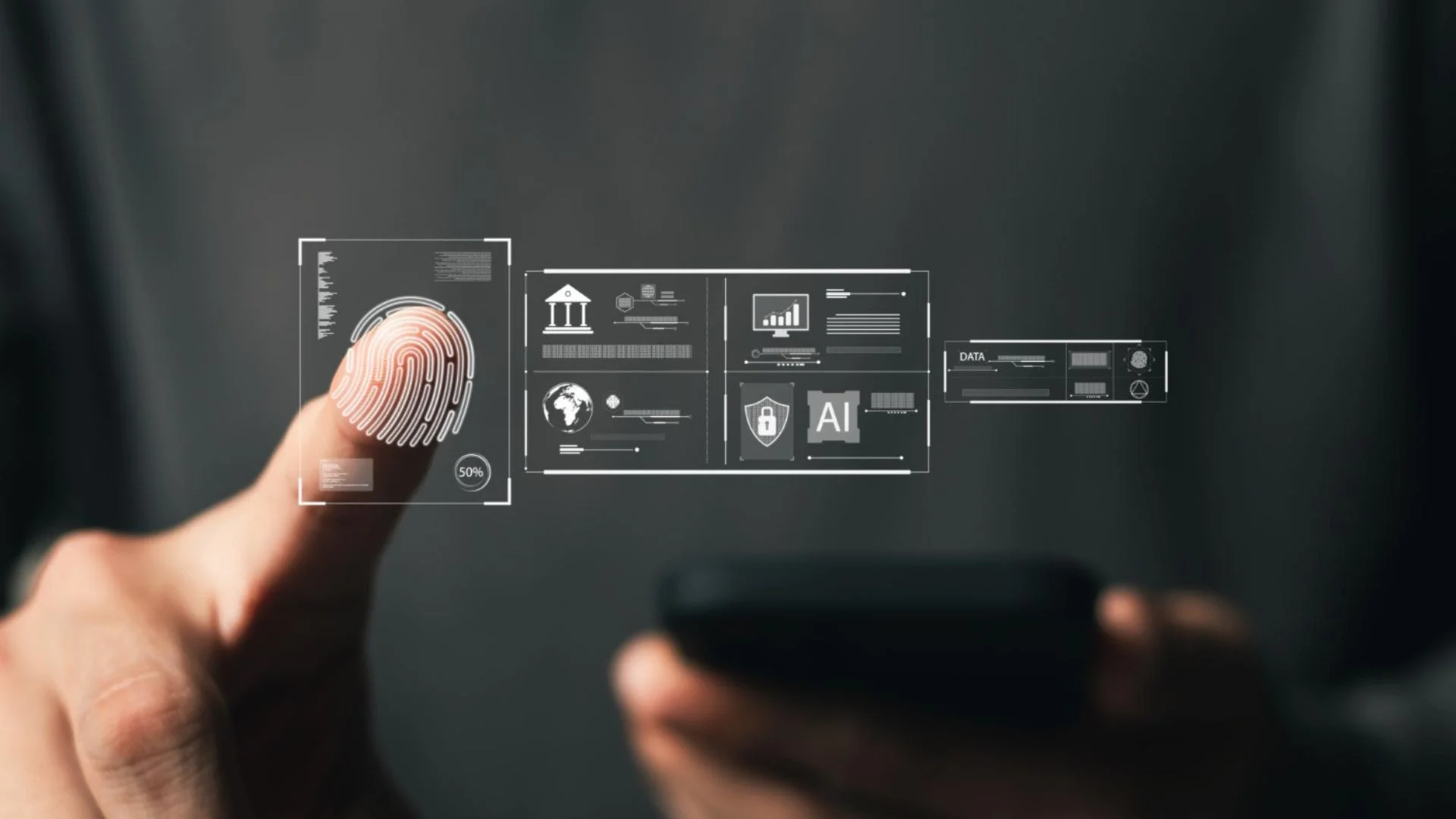
Fingerprint authentication remains the gold standard in biometric identification, with over 40% of consumers ranking it as the most secure authentication method. However, 2025 has witnessed significant innovations in fingerprint capture and analysis technologies.
Next-gen fingerprint management systems now include UIDAI compliances with secured boot protocols, sophisticated image processing capabilities and trust zone encryption. These systems feature streamlined designs that guide finger positioning for optimal scanning, ensuring consistently high-quality image capture even in challenging environmental conditions.
This evolution extends beyond traditional contact-based scanning. Contactless fingerprint recognition technology has matured considerably, offering hygienic solutions particularly relevant in post-pandemic business environments. These systems maintain the security and accuracy of traditional methods whilst eliminating any physical contact requirements.
The advancement in Internet of Things (IoT) devices has created new opportunities and challenges for biometric authentication. With 5G networks now widely in usage across major markets, the processing capabilities and connectivity of IoT-enabled biometric devices has reached new heights.
Smart payment devices amplify this evolution, enabling efficient wireless transactions via integrated biometric authentication. These mobile payment solutions combine both biometric verification and advanced connectivity options, supporting conventional POS systems, Android smartphones, and specialised Android POS devices within unified ecosystems.
The healthcare sector in particular, benefits from IoT-enabled biometric devices that can securely transmit vital health parameters to medical records systems, facilitating telehealth services and remote diagnosis capabilities. This enhanced connectivity allows for real-time authentication and data transmission all the while maintaining stringent security protocols.
Time and attendance management has evolved significantly beyond traditional card-based systems. Modern solutions integrate RF card technology with biometric verification, creating robust access control frameworks that track employee movement, monitor attendance patterns, and maintain comprehensive security logs.
Contemporary access control systems feature multi-modal authentication capabilities, combining fingerprint recognition with proximity cards and mobile credentials. This approach provides organisations with flexible deployment options whilst maintaining high security standards across different operational environments.
The integration of geofencing technology with biometric authentication enables location-aware access control, ensuring authentication occurs within designated geographical boundaries. This capability proves particularly valuable for organisations with multiple facilities or remote working arrangements.
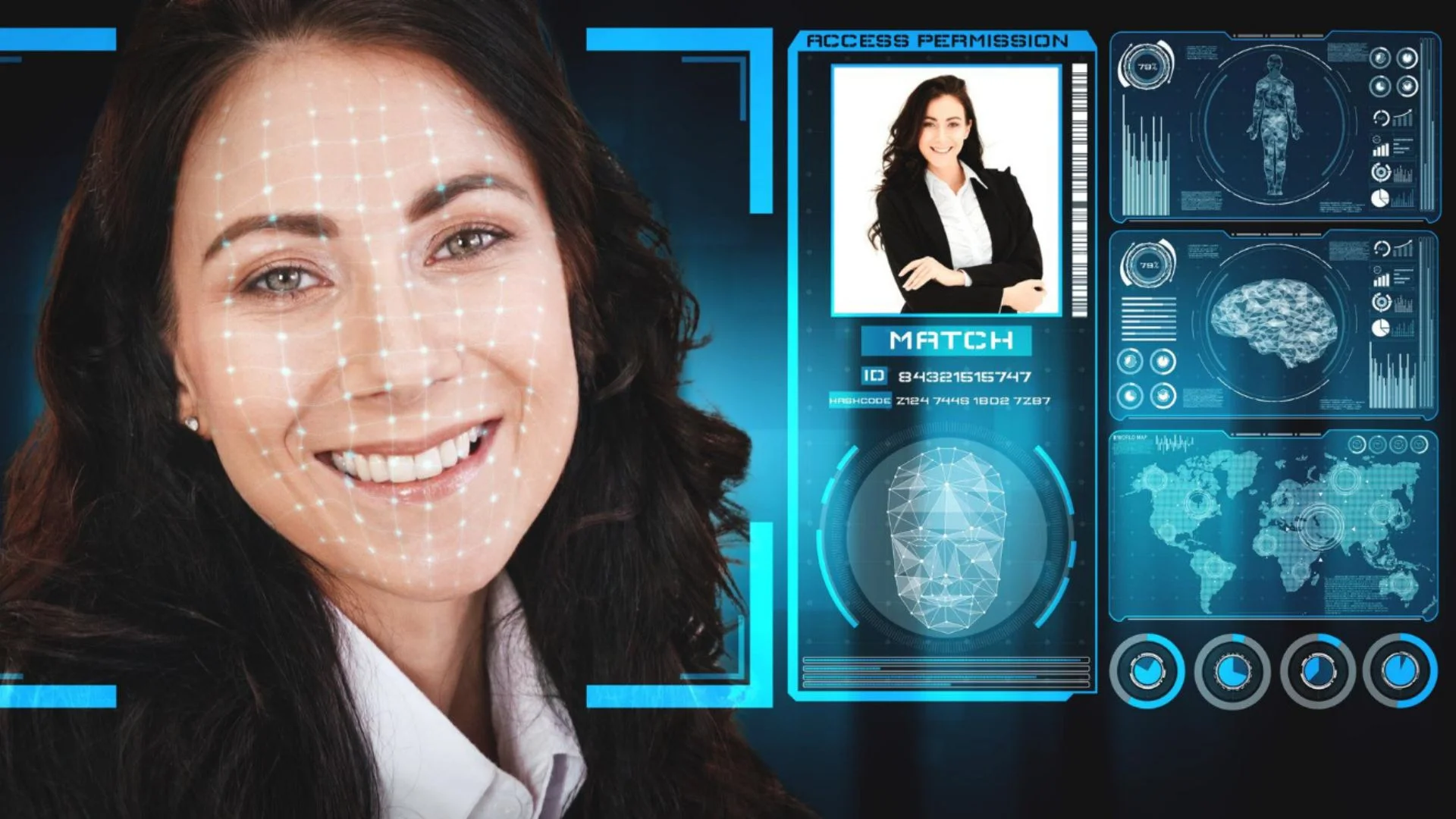
The global shift towards contactless interactions has accelerated biometric technology adoption across various sectors. Facial recognition systems have become increasingly sophisticated, offering accurate identification capabilities whilst maintaining social distancing requirements.
Airport security demonstrates this trend effectively, with 46% of passengers utilising biometric authentication in 2023, representing a substantial increase from 34% in 2022. This adoption pattern reflects growing consumer confidence in biometric systems and their practical benefits in high-throughput environments.
Contactless biometric systems extend beyond facial recognition to include iris scanning, palm vein recognition, and advanced gesture-based authentication methods. These technologies provide secure authentication options suitable for environments where traditional contact-based methods prove impractical.
Industrial automation increasingly relies on biometric authentication to secure autonomous systems and robotic processes. Manufacturing facilities implementing Industry 4.0 principles utilise biometric verification to ensure only authorised personnel can modify or override automated systems.
Robotic process automation in service industries incorporates biometric identification for customer verification in both physical and digital interactions. These systems can accurately identify customers through facial recognition whilst processing transactions or providing personalised services.
The integration extends to supply chain management, where biometric authentication ensures the correct delivery of personalised products or components. This precision proves particularly critical in sectors such as healthcare, where patient-specific items require absolute accuracy in distribution.
The evolution of payment security has embraced comprehensive biometric authentication frameworks that support diverse transaction scenarios. Modern systems accommodate App Pay, Smartphone Pay, and ECR Pay implementations whilst maintaining consistent security standards across all platforms.
Advanced payment solutions integrate multiple authentication factors, combining biometric verification with traditional security elements to create robust anti-fraud systems. These platforms support complete bank card transactions alongside mobile payment capabilities, providing merchants with flexible deployment options.
The development of L3 compliant Android payment applications has standardised biometric authentication across mobile platforms, ensuring consistent user experiences whilst meeting stringent security requirements. These applications offer comprehensive banking, billing, and retail functionality within unified frameworks.
As biometric adoption accelerates, cybersecurity concerns have become increasingly prominent. The sophistication of AI-enhanced phishing attacks, which contributed to losses exceeding £7.9 billion (USD 10 billion) in 2025, highlights the importance of robust biometric authentication systems in defensive strategies.
Privacy protection remains a critical consideration, with more than half of consumers expressing concerns about biometric data storage and management practices. Leading organisations address these concerns through advanced encryption protocols, distributed storage systems, and transparent data governance policies.
The implementation of privacy-preserving biometric technologies, including template-based systems that store mathematical representations rather than actual biometric images, has gained significant traction. These approaches maintain authentication accuracy whilst addressing privacy concerns.
The biometric technology landscape continues evolving rapidly, with several emerging trends poised to shape the remainder of 2025 and beyond. Multimodal biometric systems that combine multiple authentication factors are becoming increasingly prevalent, offering enhanced security through diversified verification methods.
Edge computing integration enables biometric processing at device level, reducing latency whilst enhancing privacy protection. This distributed approach proves particularly valuable in real-time authentication scenarios where network connectivity limitations could impact user experience.
The convergence of biometric authentication with blockchain technology promises enhanced security and auditability for identity verification processes. These hybrid systems offer immutable authentication records whilst maintaining user privacy through cryptographic protection.
The biometric technology revolution of 2025 represents more than technological advancement; it embodies a fundamental shift towards more secure, convenient, and personalised digital interactions. From sophisticated payment management systems to comprehensive access control solutions, biometric authentication has become integral to modern organisational security frameworks.
As organisations navigate this rapidly evolving landscape, the selection of appropriate biometric solutions requires careful consideration of security requirements, user experience expectations, and regulatory compliance obligations. The integration of AI-enhanced authentication, contactless verification methods, and IoT connectivity creates unprecedented opportunities for organisations to enhance security whilst improving operational efficiency.
The remarkable growth projections for the biometric market underscore the technology's central role in digital transformation initiatives across all sectors. Organisations that embrace these innovations today position themselves advantageously for the increasingly connected and security-conscious business environment of tomorrow.
Success in implementing biometric solutions depends not merely on selecting advanced technologies, but on understanding how these tools integrate within broader organisational ecosystems to deliver meaningful security enhancements and operational improvements. The future belongs to organisations that can effectively balance security, convenience, and user experience through thoughtful biometric technology deployment.