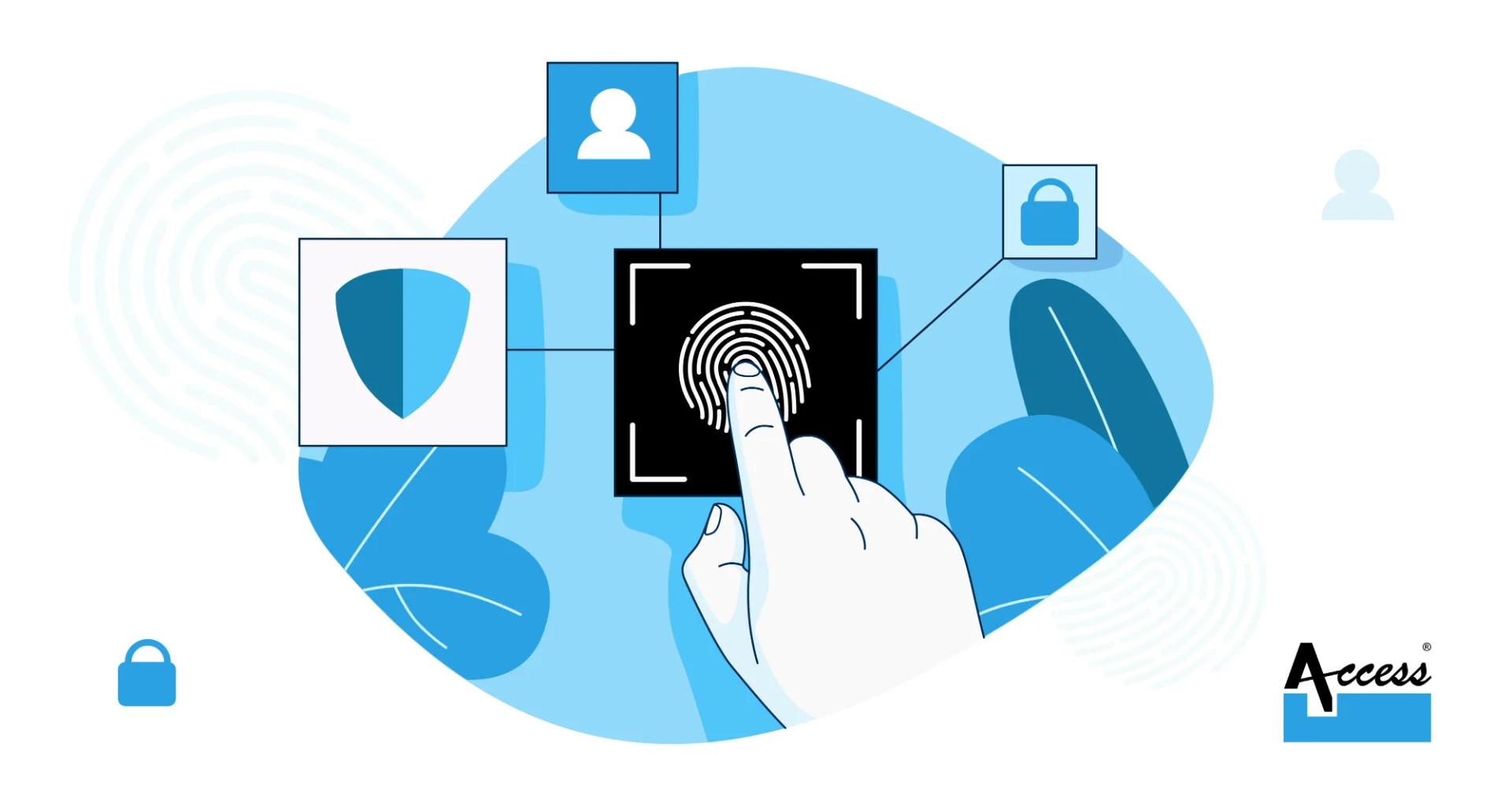
If you look around India’s public infrastructure today, from airports to government offices
to schools, biometrics have become an unremarkable part of the routine. Fingerprint
scanners, face-auth systems and Aadhaar-based verification have simply become the way things
are done now.
And that’s exactly why 2026 feels like a turning point for India’s biometric landscape. When
technology stops drawing attention to itself, it usually means it has woven into the fabric
of daily life.
Over the last year, the adoption curve has risen quite quickly. Beyond Aadhaar, biometrics
are shaping travel, education, workplace security, welfare, and access control in ways that
would have sounded overly optimistic a decade ago.
A country already built for biometrics
India didn’t stumble into this moment. With over 1.3 billion Aadhaar enrolments anchoring
digital identity, the country has something most large economies envy: a near-universal
biometric backbone already in place. That foundation is now enabling new layers of services
to snap neatly into place.
Recent market estimates suggest India’s broader biometrics market could triple between 2024
and 2033. Fingerprint and facial recognition devices used in access control, such as at
office gates, school entrances, or factory floors, are forecasted to grow even faster. It’s
rare for any hardware category to sustain double-digit growth for a decade, but here we are.
This isn’t driven by gadget-love. It’s driven by something much more practical: the need for
certainty in a country as large, chaotic, and interconnected as India.
If you scan the news, the shifts are everywhere.
A few months ago, Uttar
Pradesh made biometric attendance compulsory for teachers in Aligarh’s madrasas. The
headlines framed it as an accountability story, but on the ground, it’s about consistency.
When the school day for hundreds of children depends on teachers showing up, accuracy
matters a lot.
Meanwhile, airports are going biometric from the moment you enter the building with the
DigiYatra
upgrades. India’s
chip-enabled e-passports, which are now rolling out under the
Passport Seva Programme upgrade, are essentially tiny high-security vaults containing your
encrypted biometric identity. The idea is simple: reduce friction, increase trust, and make
the country’s citizens “digitally portable” across borders.
And then there’s welfare. Whether it’s subsidies, pensions, or government schemes,
biometrics are becoming the gatekeeper for fair distribution. Not glamorous, but immensely
impactful.
None of these stories are isolated. Together, they form a pattern: biometrics are becoming
India’s way of ensuring that the right person receives the right service at the right time.
Why this wave feels different
India has flirted with biometrics before. But this time, five things feel different.
- The systems finally work well enough in the chaos of real life, whether
used in dusty rural schools, hot factory gates, power cuts, or long queues. Sensors
don’t panic when confronted with sweaty hands. Devices don’t freeze the moment the
internet drops.
- Prices have fallen. What used to cost lakhs now fits within modest
institutional budgets. That changes the adoption landscape entirely.
- There’s government support and momentum. When identity, governance, and
service-delivery start moving in the same direction, institutions follow.
- People are getting comfortable. Once you’ve used your fingerprint for
Aadhaar-based verification multiple times, doing the same at an office turnstile doesn’t
feel particularly dramatic.
- The sheer scale of use-cases is expanding: workplaces, exams, public
distribution, healthcare, travel, education. One device can solve multiple problems,
making it a surprisingly efficient investment.
The conversation we need to have
Of course, a countrywide embrace of biometrics isn’t just a technology story — it’s a
responsibility story.
Biometric data is permanent. You can change your password, but you can’t change your
fingerprints. That simple truth means security and governance can’t be afterthoughts.
Institutions need transparency, encrypted storage, strong access controls, and a clear
people-first approach.
And then there’s inclusion. Not everyone is equally comfortable with devices that scan their
identity. A village schoolteacher in a remote district might feel differently from a
corporate executive breezing through a DigiYatra gate at an airport. The systems that
capture identities must also protect dignity.
If India gets this balance right, biometrics won’t become intrusive. They’ll become
invisible, which is the biggest sign of a well-functioning infrastructure.
Access Computech’s take on biometrics becoming mainstream
Working in this space for years has taught us something simple: India does not behave like a
textbook. Its environments, constraints, and expectations demand devices and systems built
with a certain humility, rugged hardware, forgiving software, offline resilience, and clear
audit trails.
That’s why we believe the country doesn’t just need biometric systems; it needs
India-specific biometric systems. Devices that shrug off dust. Systems that don’t collapse
during a power cut. Solutions that work in a district office as smoothly as they do in a
corporate lobby.
For us, biometrics isn’t a shiny trend. It’s a piece of national infrastructure, one that
touches millions of daily interactions, from classrooms to airports to welfare centres.
And that makes getting it right an obligation, not an opportunity.
India doesn’t often get the credit it deserves for digital infrastructure. But when it comes
to biometrics, the country is building something genuinely foundational.