12 March 2025
Here’s Why You Can’t Ignore the POS Hardware
Even the best POS software can't save you if your hardware is slow, outdated, or unreliable.
12 March 2025
Even the best POS software can't save you if your hardware is slow, outdated, or unreliable.


A lot of business owners focus on just the software, thinking that as long as they have a good billing system, they’re sorted. But the hardware matters just as much.
If you install the latest, most advanced POS software on an old, slow machine, you’ll constantly deal with lag, errors, and crashes, which will slow down your entire checkout process. On the other hand, if you invest in top-tier hardware but run outdated software on it, you’ll have a smooth, fast machine that lacks the features needed to properly manage sales, inventory, and payments. Either way, your system won’t work the way it should, and ultimately, your business will suffer because of it.
The reality is that hardware and software have to work together to ensure a comfortable experience. If one is outdated or not compatible, you’re going to run into problems that affect your ability to process transactions efficiently. And in a business where speed and accuracy matter whether it’s a retail shop, a restaurant, or a service-based company having the right balance of both matters.
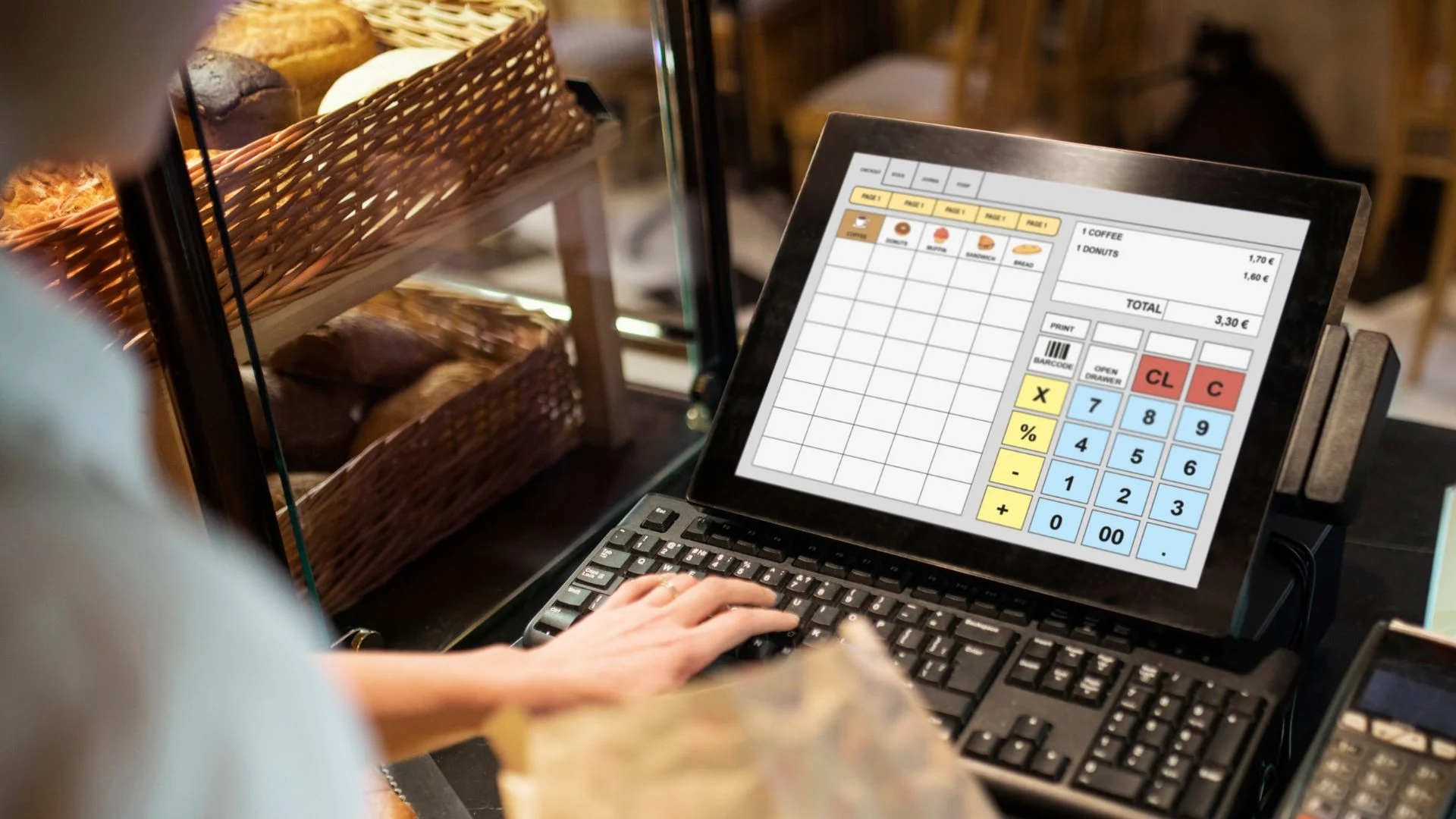
POS hardware refers to the physical devices that make up your checkout system. These are the machines you can touch, the screen where you process transactions, the card reader where customers tap their payments, the barcode scanner that speeds up product entry, and the printer that generates receipts. Without these, your software is just code sitting in a computer.
It’s easy to overlook hardware because it’s not the part that generates sales reports or manages inventory, but it plays a massive role in how smooth and efficient your checkout process is. If you’ve ever been to a shop where the barcode scanner refuses to work, or the card reader takes forever to process a payment, you already know how frustrating bad hardware can be, not just for business owners but for customers too.
Using cheap or outdated hardware can cause unnecessary delays, system failures, and transaction errors, all of which can result in long queues, frustrated customers, and lost sales. On the other hand, high-quality hardware ensures that checkouts are quick, payments go through without issues, and your staff can operate the system with minimal hassle.
If hardware is the body, software is the brain that makes everything work. It’s what allows you to process transactions, track inventory, generate sales reports, and even manage customer loyalty programmes. Without software, your hardware is just a set of machines with no real function.
Even if you have the best hardware, if your POS software is slow, outdated, or lacks essential features, it can create just as many problems. Imagine running a store where the system doesn’t automatically update stock levels, meaning you have no real-time idea of what’s in stock or what’s selling out. Or a restaurant where the software doesn’t allow split payments, causing unnecessary delays when customers want to pay separately. These small but significant gaps can lead to inefficiencies that affect both the business and customer experience.
A well-designed POS software not only speeds up transactions but also helps you make informed business decisions by giving you real-time insights into what’s working and what needs improvement.
A lot of businesses make the mistake of investing in only one side of the equation. Some think that as long as they have feature-rich software, they can get away with using old or cheap hardware, while others assume that having the latest touchscreen monitors and high-speed scanners is enough, even if they’re running on outdated software. The truth is, both need to be up to date and well-matched for your POS system to function properly.
When your hardware and software are properly integrated, transactions are processed quickly, payments go through without issues, and customers don’t have to wait longer than necessary. A mismatch between the two can result in lagging systems, payment failures, and a poor checkout experience.
A well-balanced POS system reduces the chances of billing errors, double charges, or system crashes. If your software and hardware aren’t working together smoothly, you risk transaction failures that can lead to customer complaints, financial discrepancies, and unnecessary operational headaches.
As your business grows, you might want to add new features, maybe you want to introduce contactless payments, set up an online ordering system, or integrate your POS with an accounting tool. If your software is too outdated or your hardware doesn’t support new functionalities, you’ll find yourself stuck, unable to expand without replacing the entire system. Investing in a scalable setup from the start ensures that your POS can grow with your business.
At Access Computech, we understand that a POS system is only as good as the hardware it runs on. That’s why our devices are designed to support the latest technology, ensuring that businesses can process transactions quickly, accept multiple payment methods, and manage operations smoothly.
Our A20, A20 FP, and F360 POS systems come with powerful processors, durable touchscreens, and smooth integration with modern POS software, making them ideal for businesses that need reliability and speed.
By choosing Access Computech’s POS solutions, you’re not just investing in a payment system, you’re getting a setup that’s built for efficiency, accuracy, and long-term scalability.