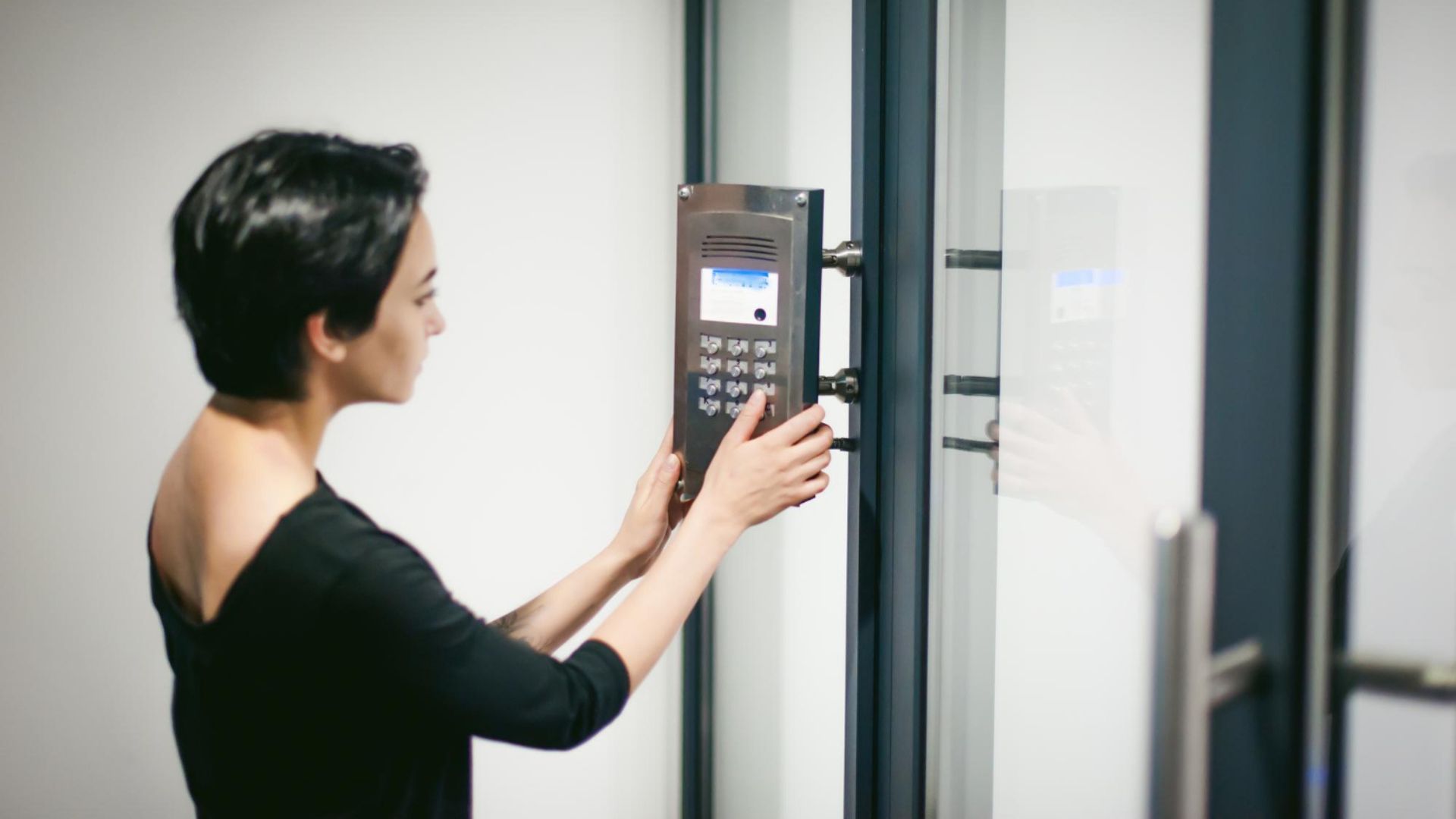
From banking institutions to retail environments, healthcare facilities to corporate
offices, biometric systems have evolved from futuristic concepts to essential business
infrastructure. However, the proliferation of options in the market presents both
opportunities and challenges for decision-makers seeking to implement the most suitable
solution.
The stakes for selecting the right biometric authentication system have never been higher.
Poor implementation decisions can result in security vulnerabilities, operational
inefficiencies, and significant financial losses. Conversely, a well-chosen system can
enhance security framework, streamline operations, and provide a competitive advantage in an
increasingly digital marketplace.
The Current State of Biometric Authentication Markets
The facial recognition market is expected to reach USD 8.58 billion in 2025 and grow at a
CAGR of 16.33% to reach USD 18.28 billion by 2030, demonstrating the robust demand for
advanced biometric solutions across industries. This growth trajectory reflects not only
technological advancement but also increasing recognition of biometrics as a cornerstone of
modern security infrastructure.
The expansion is driven by multiple factors, including the growing sophistication of cyber
threats, regulatory compliance requirements, and consumer expectations for seamless yet
secure authentication experiences. Organisations are increasingly recognising that
traditional password-based systems are inadequate for protecting sensitive data and
controlling access to critical resources.
However, this rapid growth also brings challenges. Concerns about biometric data breaches
increased from 69% to 86% within recent years, highlighting the critical importance of
selecting systems with robust security features and reliable vendor support. This statistic
underscores the need for comprehensive evaluation criteria when choosing biometric
solutions.
Critical questions to ask when selecting a system
Before investing in any biometric security system, institutions must address fundamental
questions that will determine the success of their implementation. These questions extend
beyond basic functionality to encompass long-term viability, security resilience, and
operational compatibility.
-
Environmental Adaptability and Performance
The first consideration involves understanding the operational environment where the
system will function. Modern biometric systems must demonstrate consistent performance
across varying lighting conditions, from bright outdoor environments to dimly lit indoor
spaces. Temperature fluctuations, humidity levels, and other environmental factors can
significantly impact system reliability.
-
Processing Capacity and Scalability
Understanding throughput requirements is essential for systems that will handle multiple
users simultaneously. High-traffic environments such as airports, stadiums, and shopping
centres require systems capable of processing numerous authentication requests without
creating bottlenecks. This consideration extends to both hardware capabilities and
software optimisation.
-
Security Architecture and Threat Mitigation
Advanced presentation attack detection represents a critical security component. Modern
systems must defend against sophisticated spoofing attempts, including high-resolution
photographs, 3D masks, and digital manipulation techniques. The most effective solutions
employ multiple detection methods, combining infrared analysis, depth perception, and
liveness detection algorithms.
-
Demographic Inclusivity and Bias Mitigation
Ethical considerations in biometric systems have gained prominence as organisations
recognise the importance of equitable performance across diverse user populations.
Systems must demonstrate consistent accuracy regardless of age, ethnicity, gender, or
physical characteristics. This requirement extends beyond moral imperatives to legal
compliance and business continuity considerations.
Integration Capabilities and System Compatibility
The ability to integrate seamlessly with existing infrastructure determines both
implementation complexity and long-term operational efficiency. Modern biometric systems
must interface with various technologies, from point-of-sale terminals to enterprise access
control systems. This compatibility reduces deployment costs and simplifies maintenance
requirements.
For organisations utilising comprehensive payment and access control solutions, such as
those offered by Access Computech's STORM TMS platform, integration capabilities become
particularly significant. The ability to synchronise biometric authentication with existing
merchant management systems and download management platforms streamlines operations and
reduces technical complexity.
-
Edge Processing and Latency Optimisation
Local processing capabilities reduce dependence on network connectivity whilst enhancing
response times. Edge computing implementation allows authentication decisions to occur
locally, improving user experience and reducing the impact of network disruptions. This
capability proves particularly valuable in environments with limited connectivity or
high-security requirements where external communication must be minimised.
Key Features of Superior Biometric Systems
Environmental Resilience
The most effective biometric systems demonstrate consistent performance across extreme
conditions. This includes operation in bright sunlight, low-light environments, and varying
weather conditions. Temperature resistance ensures reliable function in both heated indoor
environments and cold outdoor installations.
Dust and moisture resistance ratings indicate system durability and maintenance
requirements. Higher protection ratings reduce maintenance frequency and extend operational
lifespan, providing better long-term value despite potentially higher initial costs.
Advanced Security Measures
Comprehensive security architecture encompasses multiple layers of protection. Encrypted
storage prevents unauthorised access to biometric templates, whilst secure transmission
protocols protect data during communication between system components. Hardware security
modules provide additional protection for sensitive cryptographic operations.
Regular security updates and patch management capabilities ensure systems remain protected
against emerging threats. Vendors should demonstrate a commitment to ongoing security
support and provide clear update schedules and procedures.
Accurate Matching Algorithms
High-quality matching algorithms maintain accuracy across various conditions, including
changes in appearance, lighting, and camera angles. The most sophisticated systems employ
machine learning techniques that improve performance over time whilst maintaining consistent
accuracy standards.
False acceptance and false rejection rates provide quantifiable measures of system accuracy.
Organisations should establish acceptable thresholds based on their security requirements
and user experience expectations.
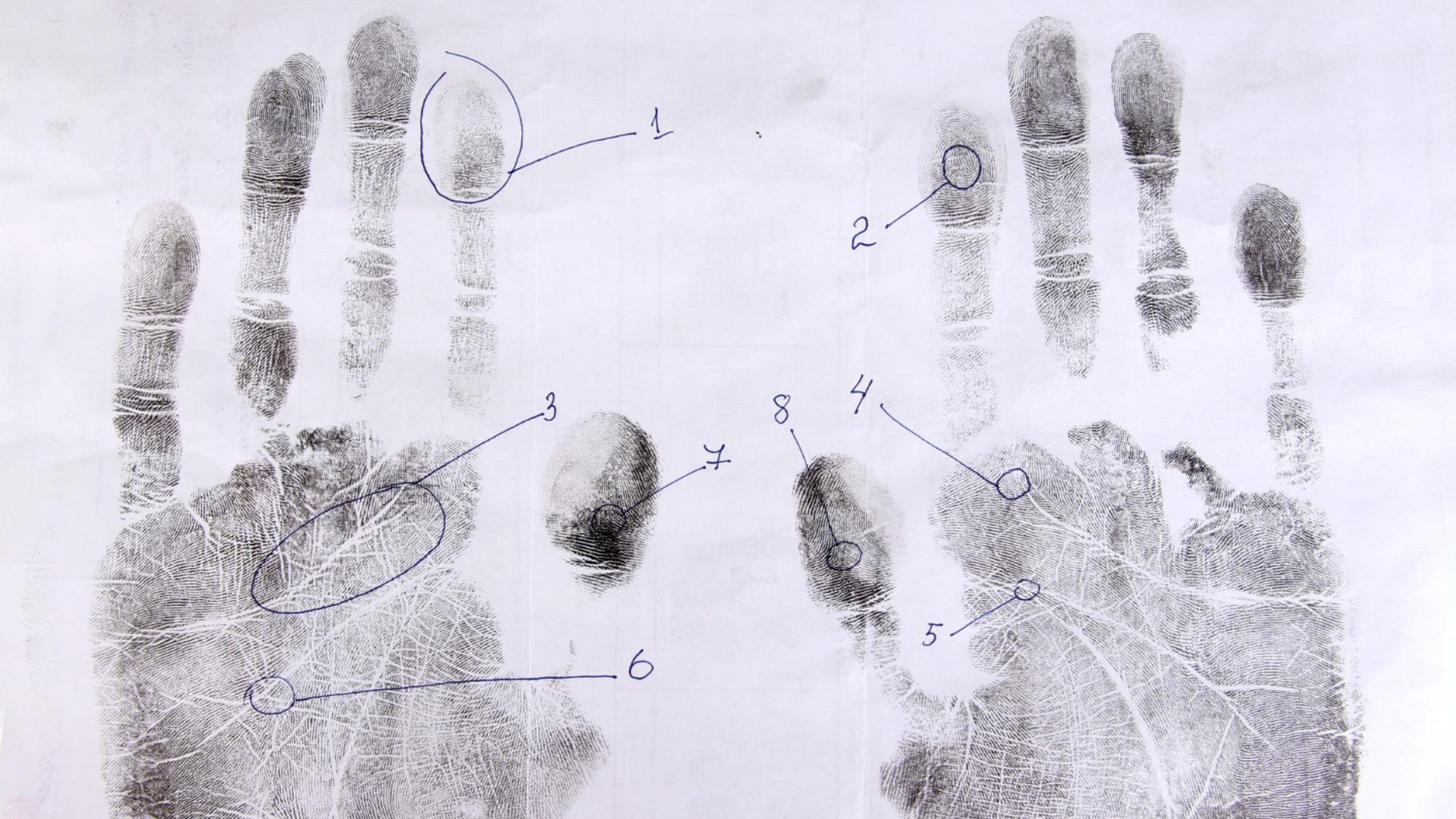
Intuitive User Interface Design
User interface design significantly impacts adoption rates and operational efficiency.
Intuitive systems reduce training requirements and minimise user errors. Clear visual
feedback guides users through the authentication process, reducing frustration and improving
completion rates.
Accessibility features ensure systems accommodate users with disabilities, meeting legal
requirements whilst demonstrating social responsibility. This includes support for various
heights, mobility limitations, and sensory impairments.
Seamless Integration Architecture
Modern biometric systems must integrate with diverse technologies without requiring
extensive customisation. Standard APIs and communication protocols facilitate integration
whilst reducing development time and costs. Compatibility with existing security
infrastructure ensures cohesive operation across organisational systems.
For organisations implementing comprehensive solutions such as Access Computech's Smartpay
Android Payment Application, seamless integration capabilities enable unified user
experiences across payment processing, access control, and time management systems.
Regulatory Compliance and Standards
Compliance with international standards provides assurance of quality and interoperability.
ISO 30107-3 certification for anti-spoofing and other relevant standards indicate thorough
testing and validation. GDPR compliance and other data protection requirements ensure legal
operation across jurisdictions.
Documentation of compliance measures and audit trails supports organisational compliance
efforts and regulatory reporting requirements. This transparency builds confidence and
reduces legal risks associated with biometric system deployment.
Vendor Reliability and Support
Long-term vendor viability ensures ongoing support and system evolution. Established vendors
with strong financial positions and proven track records provide greater assurance of
continued service and development. Technical support capabilities, including response times
and expertise levels, directly impact operational continuity.
Training and documentation quality affects implementation success and ongoing operational
efficiency. Comprehensive training programmes and detailed documentation reduce dependency
on vendor support whilst enabling effective internal management.
The Access Computech Advantage
Access Computech's comprehensive portfolio of biometric and authentication solutions
addresses the full spectrum of organisational requirements. From UIDAI-approved Aadhaar
authentication devices like the FM220UL1 with its secured boot and trust zone encryption, to
advanced time attendance access control systems such as the FP-900 with RF card integration,
the company provides solutions that meet diverse operational needs.
The integration of payment management solutions with biometric authentication creates
comprehensive ecosystems that address multiple organisational requirements simultaneously.
The Apos A20FP authentication device exemplifies this approach, combining ergonomic design
with fast scanning speeds and distortion-free image quality for effective Aadhaar-based
authentication.
Access Computech's commitment to innovation extends to next-generation platforms such as
STORM TMS, which demonstrates how biometric systems can integrate seamlessly with broader
organisational infrastructure. This holistic approach reduces implementation complexity
whilst providing scalable solutions that evolve with organisational growth.
Conclusion
Selecting the optimal biometric authentication system requires careful evaluation of
multiple factors, from environmental adaptability and security architecture to integration
capabilities and vendor reliability. The decisions made today will impact organisational
security, operational efficiency, and user experience for years to come.
The biometric authentication market's rapid growth reflects both opportunity and challenge.
Organisations that invest time in comprehensive evaluation and select systems based on
robust criteria will realise significant advantages in security, efficiency, and competitive
positioning. Those that rush implementation without proper consideration risk operational
disruption, security vulnerabilities, and substantial reinvestment requirements.
Success requires partnership with established vendors who demonstrate commitment to ongoing
innovation, security, and customer support. Access Computech's comprehensive approach to
biometric authentication and payment solutions provides the foundation for organisations
seeking to implement robust, scalable, and future-ready authentication systems.
The investment in proper system selection pays dividends through enhanced security, improved
operational efficiency, and increased user satisfaction. As biometric authentication becomes
increasingly central to organisational operations, the importance of making informed
selection decisions cannot be overstated.